
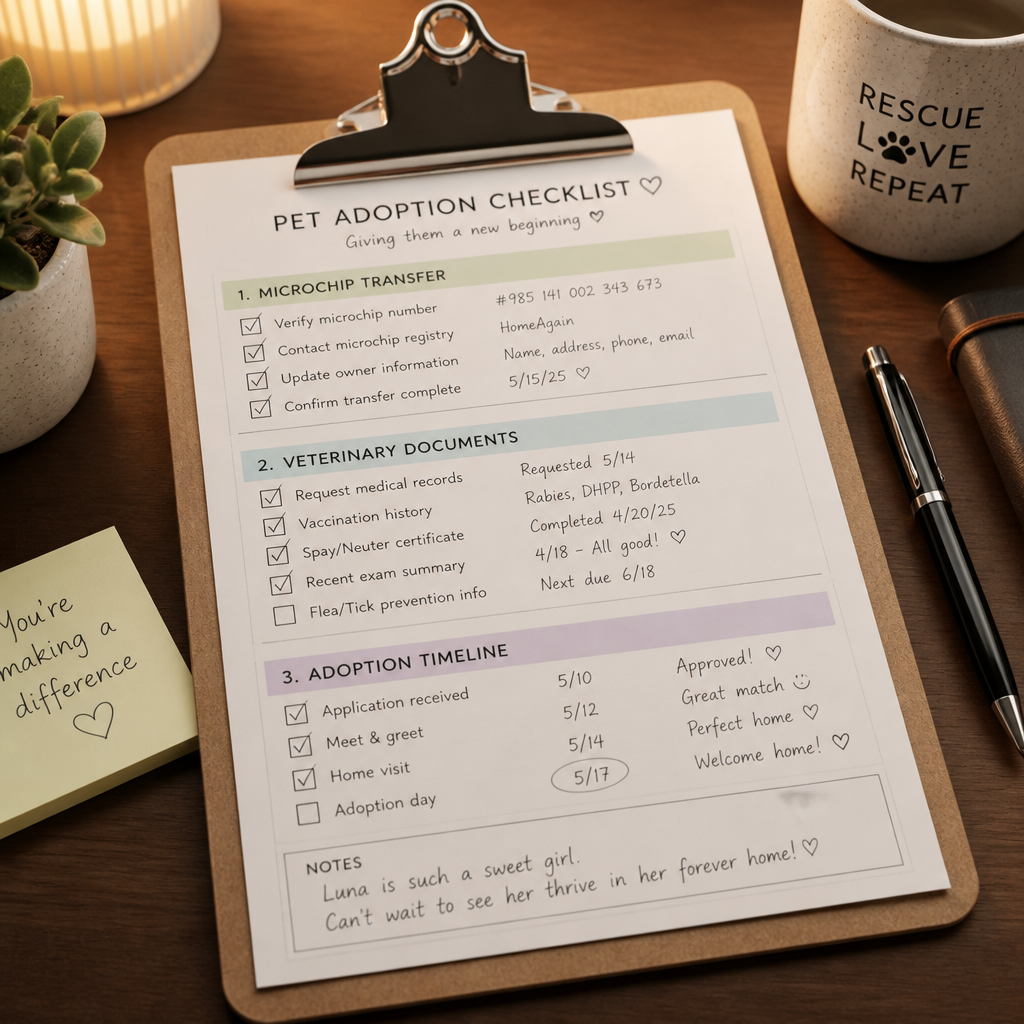
Deciding to rehome a cat in Australia is one of the harder choices a pet owner can face. Whether your circumstances have changed, a new allergy has appeared, or you simply cannot provide the care your cat needs right now, the decision deserves a proper plan, not a panicked surrender on a Tuesday afternoon. The process involves legal obligations around microchip transfer, health requirements before handover, and a realistic assessment of which rehoming path is actually right for your cat. Get it wrong and you risk your cat waiting months in a shelter. Get it right and your cat transitions smoothly into a home where they will genuinely thrive.
Table of Contents
- Quick Takeaways
- Why Australians Rehome Cats
- Legal Obligations Before You Rehome
- Health Checks and Vet Prep
- Rehoming Options Compared
- How to Find a Good Home Privately
- Surrendering to a Shelter or Rescue
- Listing Your Cat on MateLoop
- Frequently Asked Questions
- References
Quick Takeaways
| Key Insight | Explanation |
|---|---|
| Microchip transfer is a legal requirement | When your cat moves to a new owner, you must transfer the microchip registration. In South Australia this is done via Dogs and Cats Online. Each state has its own registry, and failing to transfer ownership can leave the new owner without legal proof of ownership. |
| Private rehoming is usually faster than shelter surrender | Shelters run waiting lists and assess capacity before accepting surrenders. Finding a new owner through your own network or a reputable listing platform like MateLoop is often faster and less stressful for your cat. |
| Kittens must be vaccinated before rehoming | Victorian guidelines specify that kittens must be vaccinated at least 8 days before going to a new home, and should also be wormed and desexed. Other states follow similar welfare standards. |
| Shelter surrender fees apply | The Animal Welfare League of South Australia charges a rehoming fee of $60 per cat and $120 per litter of kittens, payable on arrival. Similar fees apply at other shelters around Australia. |
| You give up legal rights on shelter surrender | Once you sign a cat over to a shelter, you typically cannot reclaim them, request updates, or visit. This is a permanent, legal handover, not a temporary arrangement. |
| Behaviour changes often have a medical cause | If your cat's behaviour has changed and that is driving your rehoming decision, a vet check first is worth the cost. A treatable health issue may resolve the problem entirely. |
| New owners need settling-in time | Adopted cats should generally be kept indoors for three to four weeks after arriving in a new home. Passing this guidance on to the new owner reduces the chance of your cat bolting or getting lost. |
Why Australians Rehome Cats
The reasons behind cat rehoming in Australia are more varied than most people admit publicly. Moving to a rental property that does not allow pets, new allergies in the household, a relationship breakdown, financial hardship, or an elderly owner entering aged care are all real and legitimate situations. The rise in cost-of-living pressures has contributed to increased pet surrenders in recent years, with shelters around the country reporting greater demand for their services.
Some owners reach the rehoming decision because their cat's behaviour has deteriorated. A common mistake here is surrendering without first consulting a vet. Sudden aggression, inappropriate toileting, or excessive vocalisation are all symptoms that can have underlying medical causes. Treating the health issue first is always worth exploring before committing to rehoming.
Whatever the reason, approaching the process with honesty is the single most important factor. A new owner who knows their cat is timid around children, does not tolerate other cats, or needs a quiet environment will set that cat up for success. Glossing over these details to speed up the handover almost always leads to a second rehoming, which is far more disruptive for the cat.
Writing a Listing That Attracts the Right People
A good listing describes your cat honestly: their age, temperament, health status, what they enjoy, and what kind of home would suit them. Include whether your cat is good with children, other cats, or dogs. Note if they need to be an indoor-only cat or if they do better in a quiet household. A listing that reads like an honest profile attracts applicants who genuinely suit your cat. A listing that makes every cat sound like a perfect angel attracts everyone and wastes enormous amounts of time.
When you post on MateLoop, you are reaching an audience of Australians who are actively looking for pets. That is meaningfully different from posting on a general classifieds site, where pet listings sit next to second-hand furniture and the audience has no particular interest in responsible pet ownership. The cat rehoming listings on MateLoop connect you with buyers and adopters who understand what they are taking on.
Screening Applicants Properly
Ask applicants questions before agreeing to a meeting. Find out whether they have owned a cat before, what their living situation is (rental, owner-occupier, apartment, house with yard), whether there are children or other pets in the home, and who will be the cat's primary carer. A thoughtful applicant will expect these questions and welcome the chance to demonstrate they are serious. An applicant who resists any questions or pushes for an immediate handover is a red flag worth paying attention to.
A cat placed in the right home the first time is spared the confusion and anxiety of a second or third move. Thorough screening is not an inconvenience to good adopters. It is a signal that you care about where your cat ends up.
Surrendering to a Shelter or Rescue
If private rehoming is genuinely not an option, surrendering to a reputable shelter or rescue organisation is a responsible choice. It is not a failure. But understanding how the process works will help you prepare practically and emotionally.
What Happens at Surrender
Most major shelters, including the RSPCA and Animal Welfare League branches around Australia, require you to complete an Animal Surrender Application before your cat can be accepted. There is typically a waiting list, and a staff member will contact you when space becomes available. All known medical or behavioural issues must be disclosed at the time of surrender. Withholding this information does not protect your cat. It means shelter staff are unprepared, which can lead to welfare problems or slower placement.
The Animal Welfare League of South Australia charges a rehoming fee of $60 per cat and $120 per litter of kittens, payable on arrival. Once your cat is signed over to the shelter, the microchip registration transfers to the organisation. You relinquish all ownership rights. You will not be able to visit your cat or receive updates on their progress, because contact after surrender is distressing for the cat, who will expect to be taken home.
The RSPCA's Position on Alternatives
RSPCA NSW encourages owners to explore alternatives before surrendering. Their rehoming assistance portal is designed to help owners find solutions that keep the human-animal bond intact where possible. This is worth taking seriously before booking a surrender appointment. Financial hardship support, temporary foster care options, and behaviour advice are all resources that might resolve the situation without a permanent handover.
For owners in the ACT, RSPCA ACT services the ACT region specifically and gives priority to ACT animals. NSW residents are encouraged to use NSW animal services rather than crossing the border.
Listing Your Cat on MateLoop
If you have decided that private rehoming is the right path, the quality of your listing platform matters. General classifieds sites attract volume but not necessarily quality. MateLoop is built specifically for the Australian pet community, connecting sellers, adopters, and rehomers with people who are genuinely ready to take on a pet.
Unlike generic platforms, MateLoop's audience comes specifically for pet listings. That means the people browsing cat listings on MateLoop are in an active mindset around pet adoption and ownership, not idly scrolling through mixed classifieds. For rehoming a cat in Australia, that targeted reach is the difference between a quick, quality match and weeks of time-wasters.
MateLoop also supports the educational side of pet transitions. The platform's guides help both rehomers and new adopters understand what responsible ownership involves, reducing the risk of a poorly matched placement that ends in a second surrender. If you are a rescue organisation or registered breeder, MateLoop's pet services listings give you visibility with an engaged Australian pet audience.
Pro tip: When listing on MateLoop, include a clear photo of your cat in natural light, not a dark phone shot. Listings with well-lit, honest photos attract more serious enquiries than listings with blurry or flattering images that do not match the cat in person.
Frequently Asked Questions
Can I charge a rehoming fee when rehoming a cat privately in Australia?
Yes, a modest rehoming fee is generally acceptable and many experienced rehomers recommend it. A small fee demonstrates that the new owner is genuinely committed rather than acting on impulse. However, the fee should be reasonable and is not a mechanism for profit. The purpose is to filter out unsuitable applicants, not to recover the cost of years of veterinary care.
Do I need to transfer the microchip registration when rehoming my cat?
Yes. Microchip registration must be transferred to the new owner when a cat changes hands. In South Australia, this is done through the Dogs and Cats Online portal. Other states have their own registries. The current owner initiates the process and provides a transfer code to the new owner. Both parties need to complete their steps for the transfer to be legally finalised. Failing to transfer registration leaves the new owner without legal proof of ownership and keeps your details attached to the cat.
What should I do if my cat's behaviour has changed and that is why I want to rehome them?
Book a vet appointment before making a final decision. Sudden changes in behaviour, including aggression, inappropriate toileting, excessive vocalisation, or withdrawal, are frequently symptoms of an underlying medical problem. A treatable health condition might completely resolve what looks like a behavioural issue. Rehoming a cat for a problem that turns out to have a simple veterinary solution is a situation that is worth ruling out first.
How long does private rehoming typically take in Australia?
It varies considerably depending on your cat's age, breed, and temperament, as well as the quality and reach of your listing. Kittens and popular breeds tend to attract interest quickly. Senior cats, those with health conditions, or cats with specific needs may take longer. Listing on a pet-specific platform like MateLoop, writing an honest and detailed profile, and responding promptly to enquiries all shorten the timeline meaningfully compared to posting on general classifieds sites.
What information should I pass on to the new owner?
At minimum, provide the cat's microchip number and transfer details, vaccination history, parasite treatment records, the name and contact details of your current vet, details of any ongoing medications or health conditions, information about the cat's diet and feeding routine, and any behavioural traits the new owner should be aware of. Also let the new owner know that adopted cats should generally be kept indoors for three to four weeks until they are settled, to prevent the cat from bolting in an unfamiliar environment.
Is surrendering to a shelter the same as abandonment?
No. Surrendering a cat to a reputable shelter or rescue organisation is a lawful and responsible action when circumstances make it genuinely necessary. Abandonment, which means releasing a cat into the environment without care, is a different thing entirely and is illegal under animal welfare legislation in every Australian state and territory. If you are in difficulty, contact a shelter, rescue, or your local RSPCA for guidance on the proper process.
Have you recently rehomed a cat or adopted one in Australia? Share what worked, what surprised you, or what you wish you had known in the comments below.
References
- Animal Welfare League SA guide to surrendering and rehoming your cat
- RSPCA NSW rehoming assistance and alternatives to surrender
- Overview of pet microchipping laws across Australian states and territories
- Victorian code of practice for private cat keeping, including rehoming requirements
- South Australia Dogs and Cats Online: transferring cat registration when rehoming
General pet care information for Australia. Always follow your veterinarian’s advice for your individual pet.