
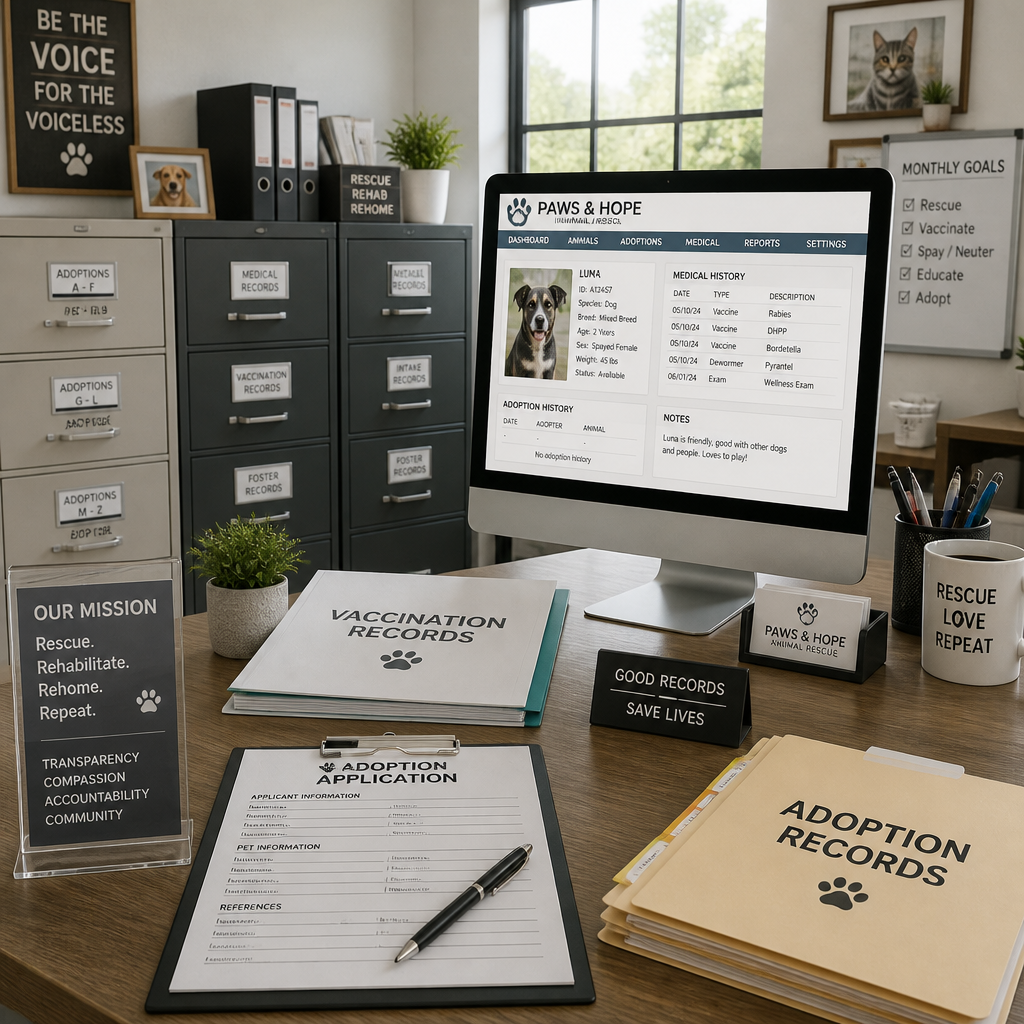
Every year, tens of thousands of dogs enter Australian rescue organisations, shelters, and council pounds. According to RSPCA Australia data, the organisation alone cared for 18,778 dogs in the 2022-2023 financial year, with only around 41% adopted out. That means a significant number of dogs are still waiting, and a growing number of Australians want to help by adopting through dog rescue Australia networks rather than purchasing from breeders. But here is the uncomfortable truth: not every organisation calling itself a rescue is operating ethically. Some are disorganised, some are deceptive, and a few are outright predatory. Knowing how to tell the difference before you commit is not just practical, it is essential for the dog's welfare and your own peace of mind.
Table of Contents
- Why Choosing an Ethical Rescue Actually Matters
- Signs of a Legitimate, Ethical Dog Rescue in Australia
- Red Flags That Should Stop You in Your Tracks
- Types of Dog Rescue and Shelter Organisations in Australia
- Comparing Your Adoption Options
- Questions to Ask Before You Commit to an Adoption
- How to Find Reputable Rescues and Adoption Listings Online
- Frequently Asked Questions
- References
Why Choosing an Ethical Rescue Actually Matters
Choosing an ethical rescue is not just a feel-good decision. It directly affects the dog you bring home, your family's safety, and the broader rescue ecosystem across Australia. When you adopt through a disorganised or dishonest rescue, you may receive a dog with undisclosed health or behavioural problems, with no post-adoption support, and vet bills can escalate into the thousands within weeks.
There is also a systemic effect. Every adoption fee paid to a poorly run rescue keeps that operation afloat and encourages it to continue cutting corners. Ethical rescues, by contrast, invest in proper veterinary care, temperament assessments, socialisation, and foster programs that genuinely prepare dogs for family life. Supporting them means supporting a higher standard for rescue dog adoption Australia-wide.
The decision also matters for the match itself. A reputable rescue invests time in understanding the dog's personality, energy level, and triggers. That knowledge dramatically increases the chance that your adoption will succeed long-term, rather than ending in a return or rehoming.
An ethical rescue organisation measures success not by how quickly it places dogs, but by how well those placements hold together years later.
Signs of a Legitimate, Ethical Dog Rescue in Australia
There are clear, consistent signals that distinguish a well-run rescue from one that is simply well-branded. None of these signals require inside knowledge. You can identify them from your first interaction.
Types of Dog Rescue and Shelter Organisations in Australia
Understanding what type of organisation you are dealing with helps you set appropriate expectations for the adoption process and the dog's background.
Government-Run Pounds and Council Facilities
Local council pounds accept stray and surrendered dogs and are legally required to hold them for a set period before rehoming or euthanasia decisions are made. The level of care and assessment varies significantly between councils. Some run excellent programs, while others are under-resourced. Dogs from pounds may have limited behavioural history documented.
Large Established Charities
Organisations like the RSPCA operate shelters across multiple states and territories, providing comprehensive veterinary care, behavioural assessment, and structured adoption processes. They handle large volumes of animals and tend to have robust systems, clear processes, and accessible after-adoption support. They are generally a safe starting point for first-time adopters.
Small Independent Rescue Groups
These are often breed-specific or location-specific groups run by passionate volunteers. At their best, they provide deep knowledge of a specific breed, highly personalised placements, and long-term support. At their worst, they operate with minimal oversight, poor record-keeping, and burnout-driven decision-making. Vetting small independent rescues requires more diligence from the adopter.
Foster Network Rescues
These organisations have no physical shelter. Every dog in their care lives with a volunteer foster family. Because of this, they often have the most accurate behavioural data on their dogs and can provide highly specific information about how a dog behaves in a real home environment. Foster-based rescues are often considered the gold standard for reliable temperament information.
Comparing Your Adoption Options
| Rescue Type | Strengths | Considerations |
|---|---|---|
| Government Pounds and Council Facilities | Accessible, often lower fees, dogs need urgent placement | Limited behavioural history, variable standards across councils, higher pressure environment for dogs |
| Established Charities (e.g. RSPCA, state-based organisations) | Structured process, full veterinary care, post-adoption support, accountable governance | Higher volume means less individual attention per dog, may have waitlists for specific breeds |
| Foster Network Rescues | Most accurate behavioural data, dogs socialised in real home settings, highly personalised matching | Smaller capacity, longer application wait times, highly selective about placements |
Questions to Ask Before You Commit to an Adoption
Before finalising any adoption, run through this list of questions with the rescue or shelter. The quality and specificity of their answers will tell you more than any marketing copy on their website ever will.
About the Dog's History and Behaviour
Ask about the dog's known background, including how it arrived in rescue, its behaviour around children, other dogs, and cats, and whether it has shown any anxiety, fear responses, or aggressive behaviour. If the dog is in foster care, request a direct conversation with the foster carer. Their observations come from living with the dog in a real home, not observing it through a kennel fence.
Also ask about the dog's exercise needs, house training status, any known triggers, and how the dog handles being left alone. A foster carer who has spent weeks with a dog can answer these with real specificity. That specificity is worth waiting for.
About the Rescue's Practices and Support
Ask the rescue what veterinary care has been completed, whether the dog is desexed and microchipped, what vaccinations are current, and what post-adoption support they offer. Find out whether they have a return policy if the placement does not work, and what their process is. Understanding their policies before you adopt tells you exactly what you are agreeing to.
Also ask how long they have been operating and whether they are a registered not-for-profit or charity. Organisations with proper governance structures are accountable in ways that informal groups are not.
How to Find Reputable Rescues and Adoption Listings Online
The right starting point for finding an ethical dog shelter Australia searchers can trust is knowing where to look and what to look for when you get there. Australians have more access to adoption listings than ever before, and the challenge is not finding dogs, it is finding well-supported dogs through well-run organisations.
Use Platforms That Vet Their Member Organisations
Look for platforms that require rescue member organisations to meet baseline standards before listing animals. This removes the initial research burden from the adopter and provides a layer of quality assurance. When a platform vets its members, the dogs listed are more likely to have been properly cared for and assessed before adoption.
Look for Rescues That List Detailed Profiles
A well-run rescue will publish detailed profiles for each dog, covering temperament notes, known behaviour around other animals and children, exercise requirements, and any specific needs. Vague profiles that say only "sweet dog looking for a loving home" tell you the rescue either does not know the dog well enough or is not willing to share what it knows. Both are problems.
Browse and Adopt Through MateLoop
For Australians looking to explore rescue dogs alongside a broader ecosystem of pet care resources, MateLoop offers a dedicated platform connecting buyers, sellers, and adopters of dogs across Australia. The platform is designed to bring together not just adoption listings but also pet care guides that help prospective adopters make genuinely informed decisions. Whether you are looking at dog listings or exploring the range of pet services available to support your new dog after adoption, MateLoop is built for Australians who want more than just a transaction.
If you are bringing a rescue dog home for the first time, exploring pet supplies that help your dog settle in, including crates, leads, enrichment toys, and calming aids, is a practical next step you can take immediately after your adoption is confirmed.
Pro tip: When you find a rescue listing online, search the rescue organisation's name alongside terms like "reviews," "complaints," or "experiences" before making contact. Real adopters leave real feedback, and patterns in that feedback, positive or negative, are often more reliable than anything the rescue says about itself.
Frequently Asked Questions
What is the typical adoption fee for a rescue dog in Australia?
Adoption fees vary between organisations and depend on the care the dog has received. Fees from established charities and registered rescues typically reflect the cost of desexing, microchipping, vaccinations, and veterinary assessment. Dogs adopted through council pounds may have lower fees but may also have received less comprehensive care. Always ask for a breakdown of what the fee covers rather than comparing numbers alone.
Is it safe to adopt a rescue dog if I have young children?
Yes, but only if the rescue has honestly assessed the dog's behaviour around children and provided that information to you clearly. Many rescue dogs do exceptionally well in family homes. The key is transparency from the rescue about the dog's history and temperament, and willingness to match the dog to the right household rather than simply filling placements. Never accept a vague "good with kids" assurance without specific behavioural notes to back it up.
How do I know if a small rescue group is legitimate?
Check whether the organisation is registered as a not-for-profit or charity, which means it is subject to legal accountability. Look for an active presence with real adopter reviews, a clear adoption process, and willingness to answer detailed questions about their practices. Legitimate small rescues will have nothing to hide and will welcome your scrutiny. Groups that become defensive or evasive when questioned deserve that scrutiny even more.
What should I do if a rescue dog I adopted develops unexpected behaviour problems?
Contact the rescue first. Reputable organisations offer post-adoption support and can often connect you with trainers or behaviourists who understand rescue dog behaviour. Most ethical rescues would rather help you work through a challenge than have the adoption fail. If the rescue offers no support at all, seek out a qualified force-free dog trainer independently and avoid returning to that rescue for future adoptions.
Can I adopt a specific breed through rescue in Australia?
Yes. Breed-specific rescue groups exist for many popular Australian breeds, from Labradors and Greyhounds to Bulldogs and Border Collies. These groups focus entirely on one breed, which means they have deep knowledge of breed-specific traits, health issues, and the type of home that suits the breed well. They are often highly selective about placements but provide excellent support. Search for breed-specific rescues in your state as part of your broader research.
What is the difference between a rescue dog and a surrendered dog?
A surrendered dog is one given up directly by its previous owner, often for reasons including housing changes, lifestyle shifts, or inability to manage the dog's needs. A rescue dog may have been surrendered, found as a stray, or pulled from a council pound by a rescue organisation. The distinction matters because surrendered dogs often come with more known history, while strays may have gaps in their background that take time and observation to fill.
How long does the rescue dog adoption process take in Australia?
It varies. Well-run organisations with thorough processes can take anywhere from a few days to several weeks, depending on application volume, home check scheduling, and how specific your requirements are. Faster is not always better. A rescue that processes applications in 24 hours with no home check is skipping steps. A rescue that takes two to three weeks because it is carefully matching dogs to homes is doing its job properly.
Have you adopted a rescue dog in Australia? Share your experience in the comments. What made your rescue organisation stand out, or what would you do differently next time?
References
- RSPCA Australia guide to adopting a dog or puppy, including what to expect from the process
- Australian pet adoption statistics including RSPCA dog intake and rehoming data
- Red flags to watch for when evaluating a rescue organisation's ethics and practices
- Key questions to ask a rescue organisation before finalising a dog adoption
- RSPCA NSW adoption checklist for prospective dog adopters
General pet care information for Australia. Always follow your veterinarian’s advice for your individual pet.