
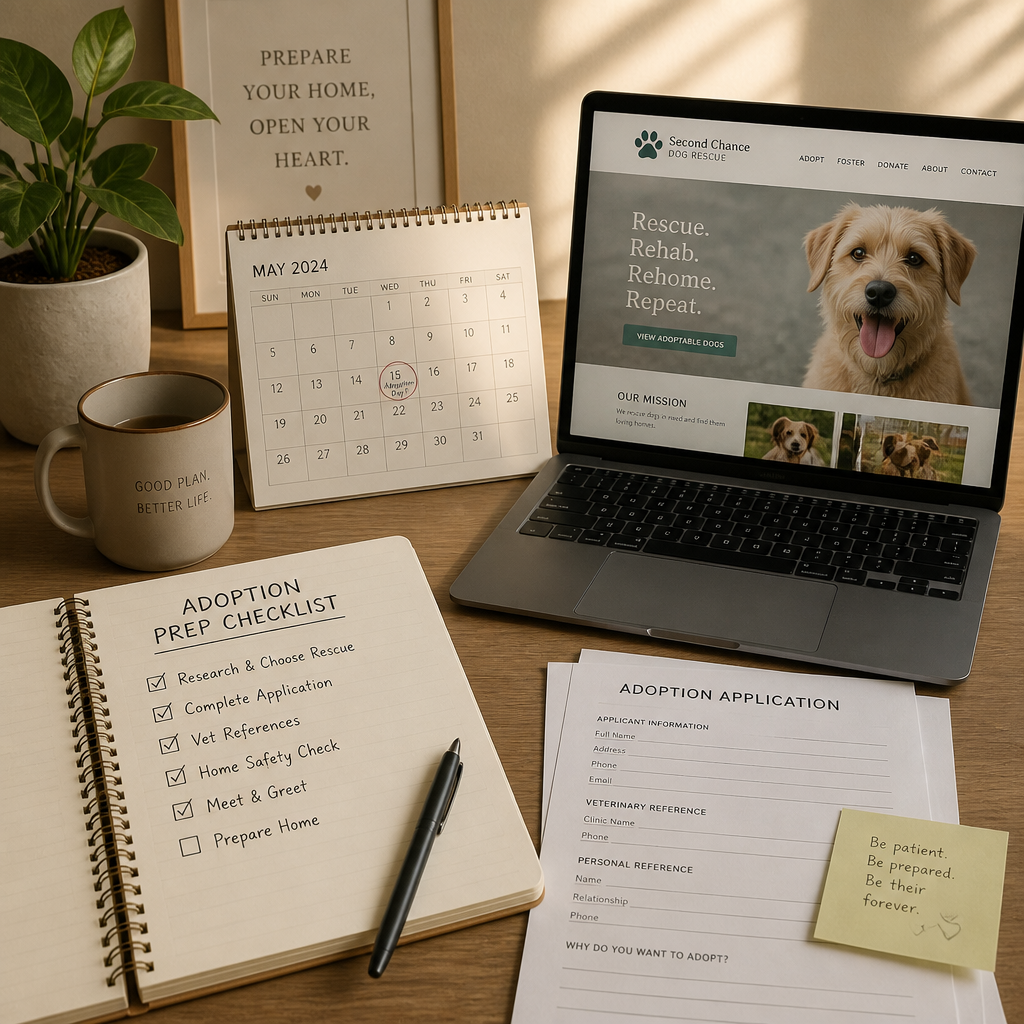
Thousands of dogs are sitting in Australian shelters right now, waiting for someone to choose them. Yet many first-time adopters stall at the starting line because the process feels opaque, the paperwork feels intimidating, or they simply do not know where to look. Dog adoption in Australia is actually well-structured and far more accessible than most people expect, but only if you go in knowing what to prepare for. This guide walks you through every step, from figuring out what kind of dog suits your life to bringing your new mate home for the first time.
Table of Contents
- Quick Takeaways
- Why Adopt Rather Than Buy
- Step 1: Assess Your Lifestyle Honestly
- Step 2: Understand Your Adoption Options
- Step 3: Search and Shortlist Dogs
- Step 4: Meet Potential Dogs in Person
- Step 5: Complete the Adoption Application
- Adoption Costs: What to Budget
- Preparing Your Home Before Pickup Day
- The First 30 Days: Setting Your Dog Up to Succeed
- Frequently Asked Questions
- References
Quick Takeaways
Key Insight | Explanation |
|---|---|
Most adopted dogs arrive already desexed and microchipped | Reputable shelters and rescues include these procedures in the adoption fee, saving you significant upfront vet costs. |
Adoption fees vary widely by organisation type | Council pounds are typically the lowest cost option, while RSPCA and private rescues cover more included health work and therefore charge more. |
Renters must sort landlord approval before applying | Most shelters will not process your application without written landlord permission if you rent your home. |
Breed-specific rescues are underused and underrated | Australia has rescue groups for dozens of breeds. If you want a particular breed, a rescue is often faster and cheaper than a breeder. |
The meet-and-greet is not optional | Skipping it leads to mismatches. Spending real time with a dog before committing is the single best predictor of a successful adoption. |
The first two weeks are the adjustment window | Most behavioural issues that surface early resolve once the dog settles into a routine. Do not panic and return a dog in week one. |
Online platforms connect you to listings beyond your suburb | Using a dedicated pet marketplace like MateLoop means you can browse adoption listings, rescue contacts, and rehoming posts in one place, rather than cycling through dozens of individual shelter websites. |
Why Adopt Rather Than Buy
Adoption is not just the ethical choice, it is often the practical one. Many rescue dogs arrive in their new home already vaccinated, microchipped, desexed, and temperament-assessed. A reputable shelter has spent weeks or months getting to know that dog, which means you receive a behavioural profile that a breeder simply cannot offer for a newborn puppy.
There is also a cost angle. Adoption fees are almost always lower than purchasing a dog from a breeder, particularly when you account for the included vet work. The savings can be substantial when you factor in that desexing, microchipping, and first vaccinations would otherwise come out of your own pocket in the first few weeks of ownership.
Adopting a dog is about more than finding a pet. It is about giving a homeless animal a second chance at a happy life, and in doing so, you get a companion who often bonds with extraordinary loyalty to the person who chose them.
For Australians browsing options, platforms like MateLoop bring together adoption listings, rescue rehoming posts, and direct-from-owner surrenders in a single marketplace, which makes comparing your options far faster than visiting individual shelter websites one by one.
Step 1: Assess Your Lifestyle Honestly
This is the step most people rush, and it is the one that determines whether the adoption goes well. A dog is a 10 to 15 year commitment involving daily walks, regular vet visits, training, and consistent routines. Before you look at a single photo online, answer these questions plainly.
Questions That Actually Matter
How much daily exercise can you reliably provide, not just on a good week, but on a bad one? Do you have children or other pets? How much living space do you have, and is there a yard? Are you renting, and if so, does your lease permit pets? Do you want a puppy, an adolescent, or a calm adult dog?
A common mistake is choosing a high-energy working breed because of how it looks, then discovering the dog needs two hours of vigorous exercise a day that the owner cannot deliver. Rescue organisations match dogs to families based on exactly these variables, so being honest in your self-assessment helps them help you.
Pro tip: If you have never owned a dog before, lean toward adopting an adult dog rather than a puppy. Adult dogs have established temperaments, are often already house-trained, and are significantly less demanding in the first few months.
Step 2: Understand Your Adoption Options
Australia's animal welfare network is genuinely extensive. Knowing the difference between your options will help you find the right dog faster and set accurate expectations around process and cost.
RSPCA Shelters
RSPCA shelters operate in every state and territory, making them the most visible and accessible starting point. Each dog receives a thorough behavioural and health evaluation before being listed. Adoption fees through the RSPCA are typically in the range of a few hundred dollars and cover desexing, microchipping, and initial vaccinations. Their online listings include detailed personality profiles, which is genuinely useful for narrowing down options before a visit.
Council Pounds and Animal Management Facilities
Local council pounds are overlooked by most adopters, which is a real oversight. Dogs surrendered or found as strays enter a holding period, after which unclaimed animals become available for adoption. Fees are often lower than RSPCA fees. The inventory changes rapidly, so check back regularly rather than treating it as a one-time search.
Rescue Organisations and Breed-Specific Rescues
Australia has rescue groups operating for an impressive range of breeds, from greyhounds to cattle dogs to bull terriers. These rescues typically operate through foster families rather than physical kennels, which means dogs have been living in a home environment. That context produces far more useful behavioural information than a kennel setting ever could. Well-known national organisations include the RSPCA, Animal Welfare League, The Lost Dogs' Home, and Monika's Doggie Rescue, alongside dozens of smaller volunteer-run groups.
Pro tip: When searching breed-specific rescues, use a marketplace like MateLoop to see rehoming listings from owners and rescues side by side. This saves the time of visiting each group's individual social media page or website.
Comparison: Adoption Pathways in Australia
Organisation Type | Typical Fee Range | Best For |
|---|---|---|
RSPCA Shelters | Roughly $200 to $500 | First-time adopters wanting detailed dog profiles and structured support |
Council Pounds | Roughly $100 to $300 | Budget-conscious adopters who check listings frequently and act quickly |
Rescue Organisations (incl. breed-specific) | Varies by group | Adopters seeking a specific breed or a dog already socialised in a home environment |
Step 3: Search and Shortlist Dogs
Once you know what you are looking for, start browsing listings systematically rather than clicking on every appealing photo. Filter by size, energy level, and compatibility with children or other pets where the platform allows it.
Create a shortlist of two or three dogs rather than fixating on one. Rescue dogs move quickly, and having alternatives prevents the disappointment of missing out on a single listing from derailing the whole process. Note each dog's history, any flagged behavioural traits, and their listed medical status before you reach out.
Platforms like MateLoop aggregate adoption and rehoming listings in one place, which is a practical advantage over cycling through individual shelter websites. You can also find dogs being rehomed directly by their owners, which is a category worth including in your search.
Step 4: Meet Potential Dogs in Person
No amount of reading a dog's online profile substitutes for a face-to-face meeting. The meet-and-greet is where you assess the actual dynamic between you and the dog, not the one described in a listing.
What to Observe During the Visit
Watch how the dog responds when you first approach. A dog that is shut down or highly anxious in a controlled environment may need an experienced owner. Observe how the dog moves around, whether it seeks interaction or retreats, and how it responds to basic cues if staff demonstrate any.
Ask shelter staff direct questions: What is this dog like with strangers? Has it shown any resource guarding? Is it house-trained? Has it lived with other dogs or cats before? Do not treat these questions as optional. The answers will tell you more than ten minutes of interaction alone.
Bringing Existing Pets to the Meeting
If you have other dogs at home, most shelters will ask or encourage you to bring them to a supervised introduction on neutral ground. This step is not bureaucratic friction, it is genuinely useful information about whether the match will work. Do not skip it hoping for the best.
Step 5: Complete the Adoption Application
Most Australian shelters and rescues require a formal adoption application before approving a match. The depth of this process varies by organisation, but most will ask for personal details, your housing situation, whether you rent or own, and details about any existing pets or previous pet ownership.
What Rescues Are Actually Looking For
Rescue organisations are not trying to trip you up with their applications. They are checking that the dog's needs will be met and that the match makes sense. A first-floor apartment owner applying for an active herding breed without a local exercise plan will raise questions. A family with young children applying for a dog flagged as best with adults only will also raise questions. Answer honestly, and if your situation is not ideal, explain what you have in place to compensate.
Renters must provide written landlord approval. This is non-negotiable at virtually every reputable organisation. Sort this out before you start the application, not after you have already met a dog you want to take home.
Home Checks
Some organisations, particularly private rescues, conduct a home visit before finalising the adoption. This is not an inspection designed to find fault. It is a practical check that the environment is safe and suitable. Having a secure yard, appropriate fencing, and no obvious hazards is enough to pass.
Adoption Costs: What to Budget
The adoption fee itself is only part of what you will spend before your dog is comfortably settled. Budget realistically for the full picture.
The adoption fee typically covers desexing, microchipping, and initial vaccinations. Beyond that, factor in a vet check in the first week even if the dog has been assessed by the shelter, since you want your own vet to establish a baseline. Add to that the immediate supplies: a collar with an engraved ID tag, a lead, food and water bowls, a crate or bed, and enough food to cover the transition period.
Annual ongoing costs include council registration (which is generally discounted for desexed animals), annual vet checks, vaccinations, flea, tick and worm prevention, pet insurance if you choose it, food, and grooming depending on the breed. These costs vary significantly by dog size and health status, but going in with no financial buffer is a common and avoidable mistake.
Preparing Your Home Before Pickup Day
A dog entering a new home is disoriented regardless of how well the adoption went. Setting up the environment in advance reduces the adjustment stress for both the dog and you.
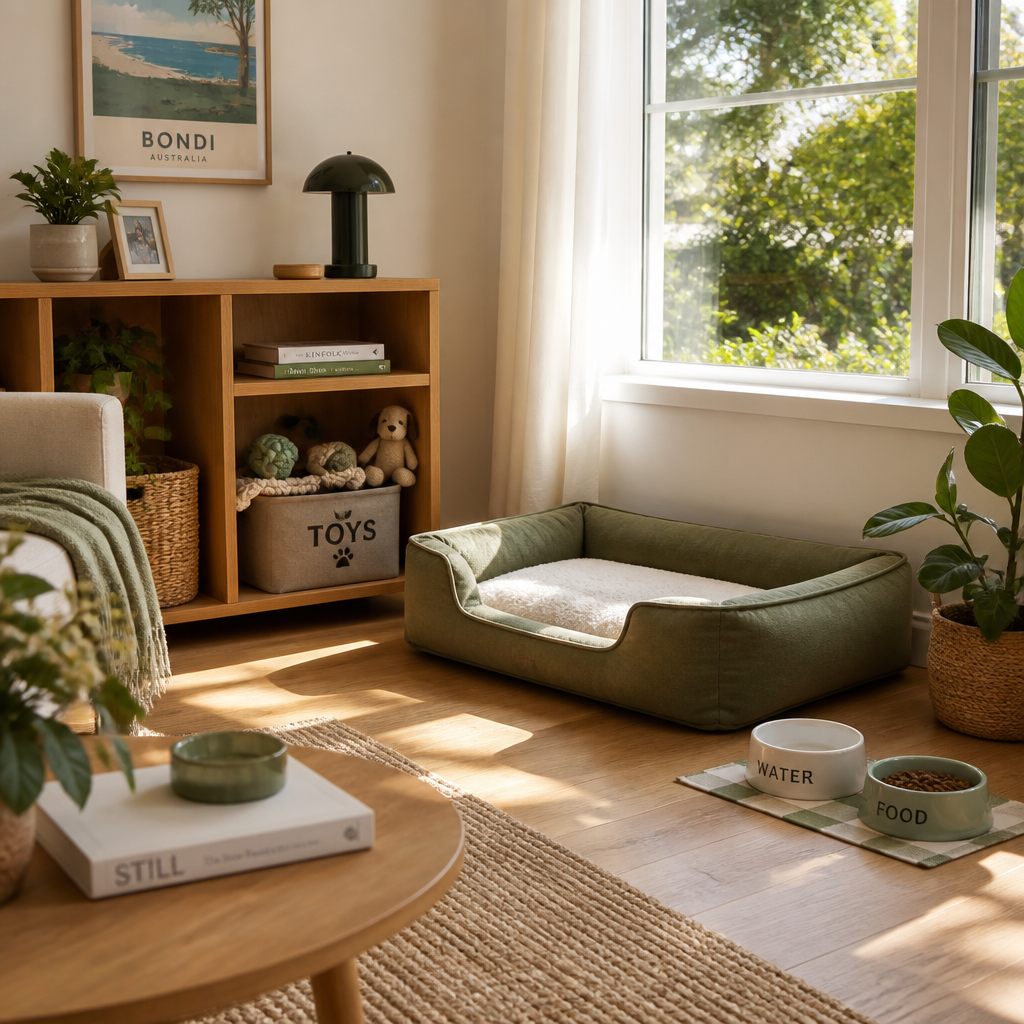
Identify where the dog will sleep on day one and keep it consistent. Set up a feeding station in a low-traffic area. Walk your yard or balcony looking for escape routes: gaps under fences, unlocked gates, low ledges. Remove anything toxic at ground level, including certain plants, cleaning products left accessible, and small objects that could be swallowed.
If you are using MateLoop's pet supplies listings, you can source beds, leads, bowls, and enrichment toys without making a separate trip to a pet store. Having everything ready before the dog arrives means your first day is spent on connection, not scrambling for basics.
The First 30 Days: Setting Your Dog Up to Succeed
The first month is where most adoptions either solidify into a great match or start unravelling due to unrealistic expectations. The single most important thing you can do is establish a consistent daily routine from day one.
The Decompression Period
Many rescue dogs need a quiet two-week settling period before their true personality emerges. A dog that seems shut down or unexpectedly bold in week one is often just overwhelmed. Resist the urge to invite everyone over to meet the new dog immediately. Give them time to map the environment, learn the smells, and figure out that this place is safe.
Training and Boundaries
Start basic training from day one, not after the dog has settled. Sit, stay, come, and leash manners are not advanced skills, they are the foundation of a manageable daily life. Positive reinforcement works. Punishment-based methods with a rescue dog that may have an unknown history are a reliable way to create new behavioural problems on top of existing ones.
If real behavioural challenges surface after the decompression period, consult a qualified dog trainer or behaviourist early. Waiting six months hoping problems resolve on their own rarely works.
Registering Your Dog
In Australia, all dogs must be registered with their local council. If the shelter has already arranged microchip transfer to your name, confirm this in writing. Update the microchip registry with your current contact details immediately. An engraved ID tag on the collar is the fastest route home if your dog escapes before the microchip details are fully updated.
Frequently Asked Questions
How long does the dog adoption process take in Australia?
It varies by organisation. Council pounds can process an adoption in a single visit once a holding period has passed. RSPCA and private rescues typically take one to two weeks from initial inquiry to pickup, accounting for the application review, reference checks, and sometimes a home visit. Having your documents ready, including landlord approval if you rent, shortens the process considerably.
Can I adopt a dog if I rent my home?
Yes, but you need written permission from your landlord before applying. Most shelters will not approve an application without it. In practice, getting this permission in advance before you fall in love with a specific dog saves a lot of stress.
What is the typical adoption fee in Australia?
Fees vary by organisation type. Council pounds tend to be on the lower end, while RSPCA shelters and private rescues charge more to reflect the included health work such as desexing, microchipping, and vaccinations. In practice, the fee represents good value compared to paying for those services individually through a vet.
Should I adopt a puppy or an adult dog?
For most first-time dog owners, an adult dog is the better choice. Their personality is established, they are often already house-trained, and their energy level is predictable. Puppies are demanding in ways that people consistently underestimate. That said, if your household specifically suits a puppy and you have the time to invest, puppies do come through shelters and rescues regularly.
What happens if the adoption does not work out?
Most reputable shelters and rescues have a return policy and will take the dog back rather than have you surrender it elsewhere. Contact the organisation you adopted from first. Do not rehome a rescue dog independently without informing the original rescue, as many adoption agreements require you to return the dog to them if you can no longer keep it. If you need to rehome a dog you own, platforms like MateLoop have dedicated rehoming listings that connect you with suitable new owners.
Do rescue dogs come with health guarantees?
Not in the way a product warranty works. Shelters do their best to identify health issues before adoption, but unknown conditions can emerge after the dog comes home. This is one of the strongest arguments for taking out pet insurance immediately after adoption, ideally before any new conditions are diagnosed and therefore excluded as pre-existing.
Where can I find adoption listings beyond my local shelter?
Online platforms that aggregate rescue and rehoming listings are the most efficient starting point. MateLoop lists dogs available for adoption and rehoming from across Australia, including dogs being surrendered directly by their owners alongside rescue organisation listings. This is a more complete picture than any single shelter website can offer.
If you have recently adopted a dog in Australia or you are currently going through the process, share what surprised you most in the comments. Your experience might be exactly what another prospective adopter needs to hear.
References
General pet care information for Australia. Always follow your veterinarian’s advice for your individual pet.