
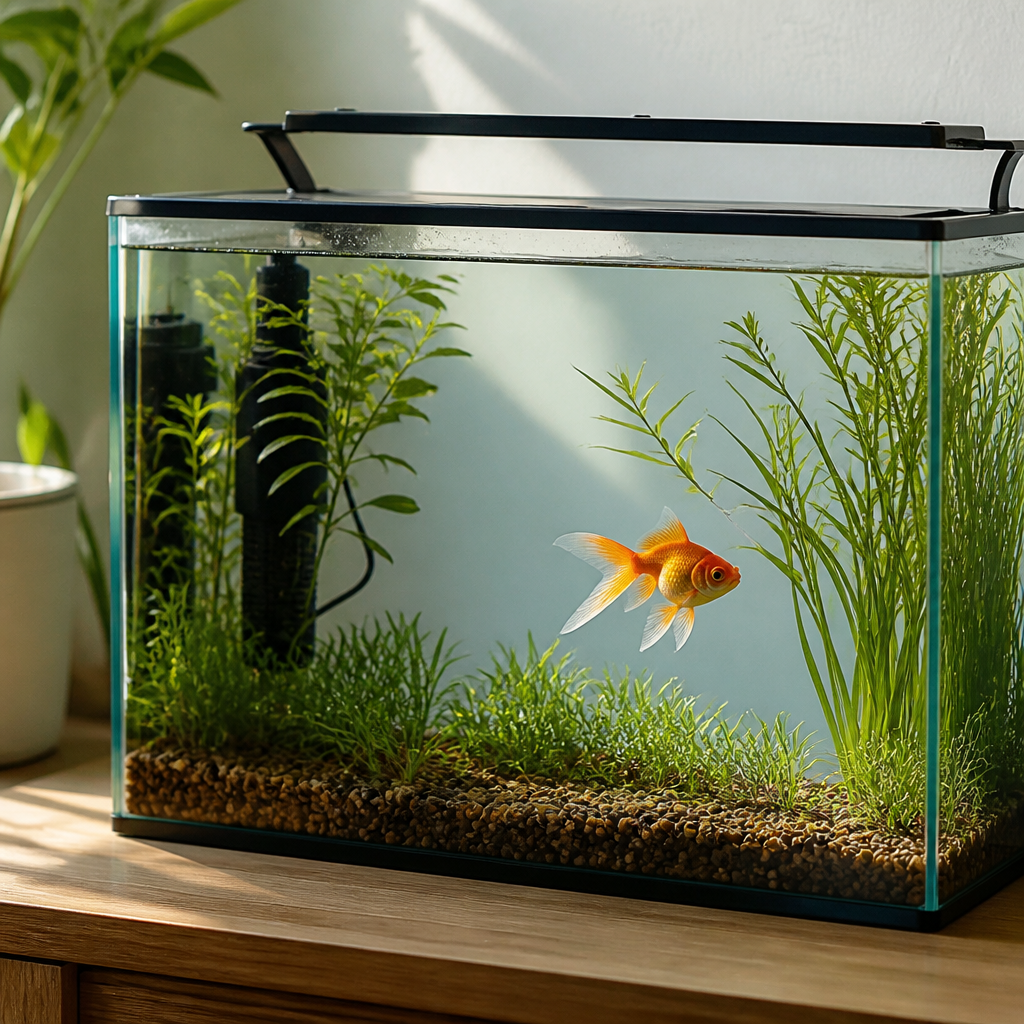
Goldfish are often the first fish Australians bring home, and they are also among the most frequently killed by well-meaning beginners. The small bowl, the daily overfeeding, the tap water poured straight from the tap without conditioning - these are not minor oversights. They are the direct cause of most goldfish deaths within the first six months of ownership. Getting goldfish care Australia-ready means understanding that these are cold-water fish with real space requirements, sensitive to water chemistry, and capable of living well over a decade when kept correctly. This guide gives you the specific information you need to avoid the common mistakes and give your fish a genuinely good life.
Table of Contents
- Quick Takeaways
- Choosing the Right Goldfish for Your Setup
- Goldfish Tank Setup in Australia
- The Nitrogen Cycle Explained
- Feeding Your Goldfish
- Common Goldfish Diseases and Prevention
- Tank Mates That Actually Work
- Fancy vs. Common Goldfish: Which Is Right for You?
- Frequently Asked Questions
- References
Quick Takeaways
| Key Insight | Explanation |
|---|---|
| Tank size matters far more than most beginners expect | A single juvenile goldfish needs at least a 75-litre (20-gallon) tank as a starting point, and that requirement grows as the fish does. |
| Always treat Australian tap water before use | Australian tap water contains chlorine and chloramines that are toxic to goldfish. Use a quality water conditioner every single time you add new water. |
| Goldfish are cold-water fish, not tropical | The ideal water temperature is 18-24°C. They do not belong in a heated tropical aquarium and most Australian homes maintain suitable room temperature without a heater. |
| Overfeeding is the number one rookie mistake | Uneaten food rots and spikes ammonia levels fast. Feed only what your goldfish can consume in two to three minutes, once or twice a day. |
| Cycle your tank before adding fish | A tank that has not completed the nitrogen cycle will build up toxic ammonia and nitrite, which stresses fish and causes disease. |
| Fancy goldfish and common goldfish have different needs | Common and comet goldfish are fast, grow large (up to 25cm+), and need more horizontal swim space. Fancy varieties are slower and more compact but more delicate. |
| Weekly water changes are non-negotiable | Performing a partial water change of 25-50% each week keeps nitrate levels safe and maintains stable water quality, which is the single biggest factor in goldfish health. |
Choosing the Right Goldfish for Your Setup
Before you buy a tank, decide which type of goldfish you are keeping. This is not a trivial choice - the type of goldfish you keep determines the tank size, filtration strength, compatible tank mates, and even how easy the fish is to manage day to day.
Common and Comet Goldfish
Common goldfish and comets are the classic single-tailed varieties. They are fast swimmers, highly active, and can easily reach 25-30cm as adults under good conditions. They produce large amounts of waste relative to their body size and need serious horizontal space. These are genuinely outdoor pond fish at maturity, though they do well in large indoor tanks when young.
Fancy Goldfish Varieties
Fancy goldfish - orandas, fantails, ranchus, black moors, and ryukins - are shorter and rounder, typically growing to 15-20cm. They are slower swimmers, which makes them better suited to indoor aquariums and also more vulnerable to fin-nipping tank mates. Their rounded body shape also makes swim bladder issues more common, which means diet quality matters even more for these varieties.
If you are new to aquarium fish in Australia, a fancy goldfish variety in a properly set up aquarium is a more manageable starting point than a comet. They are widely available through aquatic pet retailers and increasingly through specialist aquatic listings on platforms like MateLoop, where you can find reputable breeders listing healthy, well-raised stock rather than relying on mass-produced fish from large chain stores.
Feeding Your Goldfish
Goldfish will eat almost continuously if food is available, and they will absolutely eat themselves into digestive problems if you let them. The correct approach to feeding is modest portions at consistent times, with dietary variety built in over the week.
What to Feed
A good quality goldfish-specific pellet or flake forms the base of the diet. Goldfish are omnivores and thrive on variety - supplement the staple with blanched vegetables like peas (shelled, which help prevent constipation and swim bladder issues), spinach, and zucchini. Occasional protein treats such as daphnia or bloodworms are accepted well but should not form a major part of the diet for fancy varieties.
Peas are particularly worth keeping on hand if you keep fancy goldfish. The moment a fancy goldfish starts floating at the surface between feedings or sitting on the bottom, a 24-48 hour fast followed by a feeding of shelled, blanched peas is often the first and most effective intervention for mild swim bladder issues.
How Much and How Often
Feed once or twice a day. Each feeding should be an amount your goldfish can consume entirely within two to three minutes. Remove any uneaten food immediately - rotting food is the fastest way to spike ammonia in an established tank. Overfeeding is the most common water quality problem in home goldfish tanks, not under-filtration.
Goldfish are biologically adapted to tolerate periods without food. If you go on holiday for up to a week, healthy adult goldfish will be fine without feeding. For longer absences, an automatic feeder set to small daily portions is a better choice than a slow-release "holiday block," which typically dissolves unevenly and can cloud water.
Common Goldfish Diseases and Prevention
Most goldfish disease is preventable through consistent water quality management. Understanding what to look for allows you to catch problems early, when they are far easier to treat.
White Spot (Ich)
Ich, or white spot disease, is one of the most common conditions in goldfish aquariums. It presents as small white spots resembling grains of salt on the body and fins, often accompanied by the fish scratching itself against tank surfaces. The cause is a parasitic organism that thrives in conditions of stress and poor water quality. Treatment involves raising water temperature slightly (within the goldfish's safe range), adding aquarium salt, or using a commercial ich treatment available from Australian aquarium retailers.
Fin Rot
Fin rot appears as fraying, ragged fin edges that may also show discolouration. It is a bacterial infection typically triggered by poor water quality or physical injury. The treatment starts with a significant water change and a thorough check of water parameters. In most early cases, clean water alone resolves the issue. More advanced cases may require a commercial antibacterial treatment.
Swim Bladder Disease
Swim bladder problems cause goldfish to float at the surface or sink to the bottom, struggling to maintain normal position in the water. In fancy goldfish, their body shape makes this more common. Overfeeding and a low-fibre diet are the primary causes. Feeding peas and implementing a one to two day fast are the standard first responses. Persistent swim bladder issues in fancy goldfish may also point to a chronic constipation problem - in that case, permanently reducing the proportion of high-protein foods in the diet is the fix.
Tank Mates That Actually Work
Not every fish belongs in a goldfish tank. The cold-water requirement eliminates most tropical species, and goldfish's tendency to eat anything that fits in their mouths eliminates small fish entirely.
For fancy goldfish, compatible tank mates include other fancy goldfish varieties, white cloud mountain minnows (cold-water tolerant and fast enough to avoid being eaten), and weather loaches. Avoid any fish with long flowing fins that could be mistaken for food, and avoid fin-nippers like tiger barbs. For common or comet goldfish, the practical reality is that they grow large enough that most other species become incompatible over time - the simplest and healthiest approach for common goldfish is to keep them with other common goldfish in a large tank or pond.
Do not mix fancy goldfish with common or comet goldfish. The size and speed difference means common goldfish will consistently outcompete fancy varieties for food, and the fancy fish will end up malnourished even in a tank that looks adequately stocked.
Fancy vs. Common Goldfish: Which Is Right for You?
| Feature | Fancy Goldfish (Oranda, Fantail, Ranchu) | Common / Comet Goldfish |
|---|---|---|
| Adult size | 15-20cm typically | 25-35cm or more under ideal conditions |
| Minimum indoor tank size | 150-200 litres for a pair | 200+ litres as juveniles; ideally a pond at maturity |
| Swimming speed | Slow, deliberate swimmers | Fast, active swimmers |
| Swim bladder risk | Higher due to rounded body shape | Lower |
| Best environment | Spacious indoor aquarium | Outdoor pond or very large indoor tank |
| Temperature tolerance | 18-24°C preferred; slightly less cold-tolerant than commons | 4-24°C, highly cold-tolerant |
| Beginner suitability | Good for indoor aquarium beginners with correct setup | Better suited once tank management experience is established |
The key takeaway from this comparison is that neither type is "easier" in an absolute sense. Fancy goldfish are more manageable in terms of space indoors, but their body shape makes them more vulnerable to diet-related health issues. Common and comet goldfish are hardier but will quickly outgrow any tank that would be considered reasonably sized for a home living room. Choose based on the space you can actually commit to, not the space you hope to have later.
Frequently Asked Questions
How often should I change the water in a goldfish tank in Australia?
Weekly partial water changes of 25-50% are the standard recommendation for goldfish tanks. Goldfish are heavy waste producers, and weekly changes are what keep nitrate levels from building to harmful concentrations between those changes. Always treat replacement water with a water conditioner before adding it to remove chlorine and chloramines present in Australian tap water.
Do goldfish need a heater in Australia?
Most Australian homes maintain room temperatures within the 18-24°C range that goldfish prefer, so a heater is often not necessary. In cooler southern states during winter, a low-wattage heater set to maintain a minimum of 18°C is a sensible precaution. What you should avoid is sudden temperature swings of more than 2°C in a 24-hour period, which cause stress regardless of the actual temperature.
Can goldfish live in a bowl?
A bowl is not a suitable home for goldfish. Bowls provide insufficient water volume to maintain stable water chemistry, and they cannot house the filtration system that goldfish's high waste output requires. The minimum starting point is a 75-litre tank with a proper filter. A bowl is a temporary transport vessel at best, not a habitat.
How do I know if my goldfish tank is cycled and ready for fish?
Your tank is cycled when ammonia and nitrite both consistently read zero across several days of testing, and nitrate begins to register (confirming the full bacterial conversion is happening). This typically takes four to six weeks in a new tank. Use a liquid test kit for accurate readings - test strips are frequently unreliable at the low end of the ammonia scale where it matters most.
Where can I find healthy goldfish and aquarium supplies in Australia?
Reputable aquatic pet retailers in your state are a good starting point for goldfish and basic supplies. For a wider selection of goldfish varieties, including specialist fancy goldfish from dedicated breeders, MateLoop connects Australian buyers with vetted sellers and breeders nationwide. This is a particularly useful option if you are looking for specific fancy varieties, live aquatic plants for your tank, or aquarium equipment from sellers who know what goldfish actually need.
What is the lifespan of a goldfish kept correctly?
Goldfish kept in properly sized tanks with good water quality and appropriate feeding can live 10-20 years or longer. The dramatically shorter lifespans most people associate with goldfish are almost entirely a result of inadequate housing and water quality, not an inherent characteristic of the species. A well-cared-for goldfish is a genuinely long-term pet commitment.
If you keep goldfish or are just setting up your first aquarium in Australia, share what has worked (or what has surprised you) in the comments - your experience is genuinely useful to other beginners making the same decisions.
We would love your feedback and any insights you would share with others. What perspective would you add?
References
- PetMD goldfish care sheet covering tank size, water parameters, and feeding requirements
- Australian goldfish care guide covering water temperature, diet, and aquarium setup
- Detailed goldfish aquarium guide covering common diseases including ich, fin rot, and swim bladder issues
- Ornamental fish care sheet on water quality parameters and filter maintenance for goldfish
- Australian guide to choosing fancy goldfish varieties and suitable tank mates
General pet care information for Australia. Always follow your veterinarian’s advice for your individual pet.