
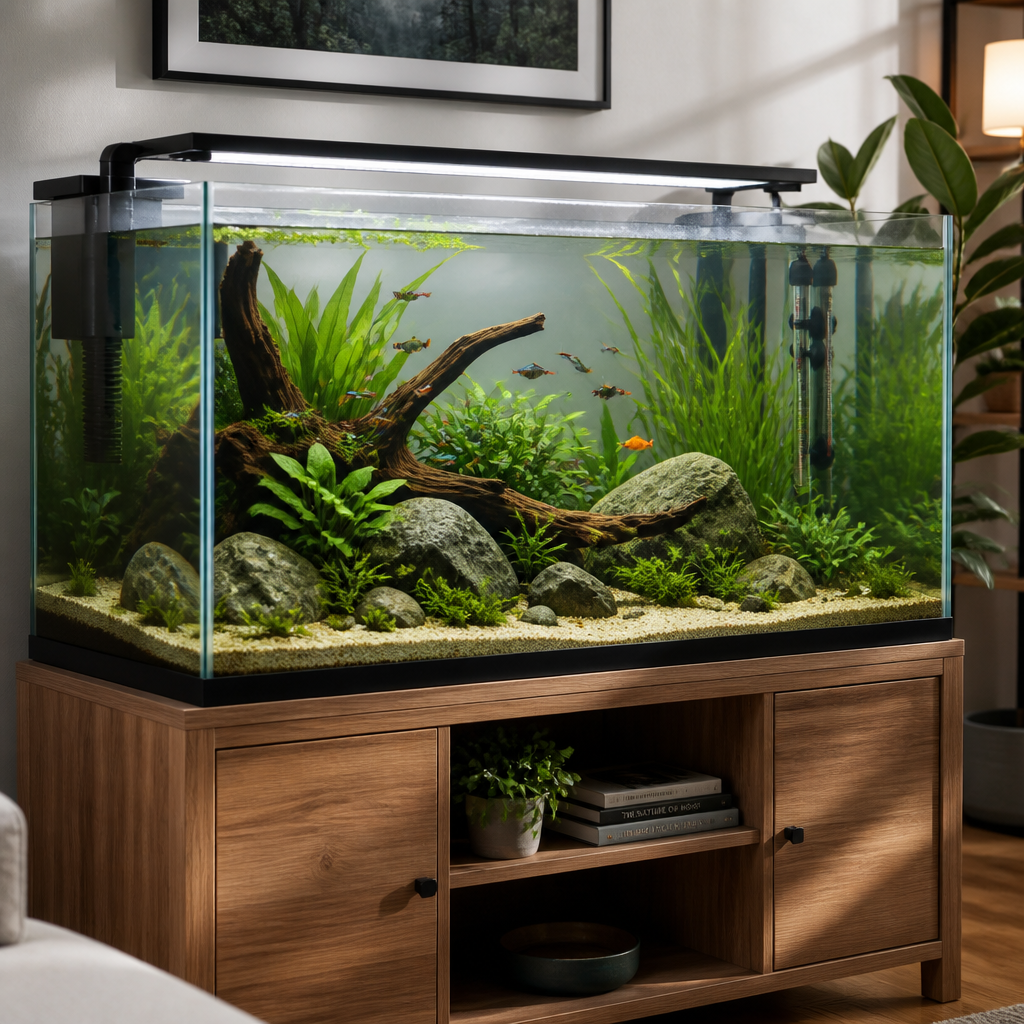
Most beginners kill their first fish within two weeks, not through cruelty, but through impatience. They buy a tank, fill it with tap water, add fish the same afternoon, and wonder why everything dies. A proper freshwater aquarium setup in Australia is not complicated, but it does require doing things in the right order. Get the sequence right, and you'll have a thriving tank in under two months. Get it wrong, and you'll be replacing fish every fortnight and wondering if this hobby is worth the stress. It is worth it. You just need an honest guide written for Australian conditions, not a repurposed American blog post that talks in gallons and ignores Australian tap water chemistry.
Table of Contents
- Quick Takeaways
- Choosing the Right Tank Size
- Essential Equipment Checklist
- Australian Tap Water and Water Chemistry
- Cycling Your Aquarium: The Nitrogen Cycle
- Choosing the Right Fish for Beginners in Australia
- Live Plants vs Artificial Decor
- Ongoing Maintenance Routine
- Common Beginner Mistakes and How to Avoid Them
- Frequently Asked Questions
- References
Quick Takeaways
| Key Insight | Explanation |
|---|---|
| Bigger tanks are easier to manage | A 75-110 litre tank is far more forgiving than a 20-litre nano tank. Water chemistry stays stable longer, giving you more time to react to problems. |
| Never skip the nitrogen cycle | Your tank must cycle before fish go in. This biological process takes 4-6 weeks and establishes the bacteria that break down toxic fish waste. |
| Australian tap water needs treating | Tap water across Australia contains chlorine and sometimes chloramine, both lethal to fish. Always use a dechlorinator like Seachem Prime before adding water to your tank. |
| Fishless cycling protects fish welfare | Adding ammonia directly to an empty tank to start the cycle is safer and more ethical than using "sacrifice fish." It is the recommended method for all beginners. |
| Start with hardy, compatible species | Guppies, platies, and neon tetras are proven beginner fish for Australian tanks, tolerating the range of conditions a new aquarist will inevitably produce. |
| Keep a test kit, not test strips | A liquid test kit like the API Freshwater Master Kit gives accurate readings of ammonia, nitrite, nitrate, and pH. Strips are notoriously unreliable for cycling decisions. |
| Weekly water changes are non-negotiable | Changing 25-30% of your tank water weekly removes accumulated nitrates and keeps the environment stable for your fish. |
Choosing the Right Tank Size
The single most counterintuitive truth in fishkeeping is this: a larger tank is easier to maintain than a small one. Small tanks swing wildly in temperature and water chemistry. A 20-litre tank can go from healthy to toxic in 24 hours if something goes wrong. A 75-litre tank gives you room to breathe.
For an Australian beginner, a 75 to 110 litre tank is the practical sweet spot. It offers enough volume for a small community of fish, accepts a wide range of standard filter and heater sizes, and keeps parameters stable enough that a day or two of missed maintenance will not cause a crash. If your heart is set on something larger, tanks of 200 litres or more can house a proper community setup, but check your floor load capacity first because a filled tank is genuinely heavy.
Avoid the temptation to start with a tiny "starter" kit under 30 litres. These are marketed at beginners but are actually harder to manage, more susceptible to temperature swings, and limit you to very few compatible species. They are better suited to a single betta fish in an experienced keeper's home.
Pro tip: Before buying, measure your chosen spot carefully and confirm the surface is level and structurally sound. A full aquarium of 100 litres weighs over 100 kilograms once you add substrate, rocks, and equipment. A sturdy, purpose-built aquarium stand is not optional.
Choosing the Right Fish for Beginners in Australia
Not all fish are equal when it comes to beginner suitability. The best starter fish are hardy, peaceful, tolerant of a range of water parameters, and compatible with each other in a community setting. The worst mistake is buying fish purely on looks without checking their requirements or temperament.
The following comparison covers three of the most reliable beginner fish available through Australian aquarium stores and platforms like MateLoop, where aquatic pet listings connect buyers directly with reputable sellers. Before browsing any listing, decide on your fish first, then find a seller whose stock matches your tank conditions.
| Fish Species | Ideal Water Conditions | Best For |
|---|---|---|
| Guppy | pH 6.8-7.8, temperature 22-28°C, tolerates hard water | Beginners wanting colour and activity. Hardy, breed readily, and adapt well to Australian tap water in most regions. |
| Platy | pH 6.8-8.0, temperature 18-28°C, suits hard to moderately hard water | Beginners wanting a very forgiving fish. Tolerates a wide range of temperatures and pH, making them ideal when your cycling is still stabilising. |
| Neon Tetra | pH 6.0-7.0, temperature 20-26°C, prefers soft water | Beginners who want a schooling fish. Keep six or more for best results. Prefer slightly acidic, softer water, so check your local tap water first. |
Always acclimate new fish slowly. Float the sealed bag in your aquarium for around 20 minutes to equalise temperatures, then gradually introduce small amounts of your tank water into the bag over another 20 minutes. Use a net to transfer the fish rather than pouring bag water into your tank, which can carry pathogens.
Avoid buying more fish than your tank can support. The old rule of thumb of one centimetre of adult fish per litre of water is a rough guide only. A far better approach is to research the adult size, waste output, and territory needs of each species before adding them.
Pro tip: If you are browsing aquatic pet listings on MateLoop, filter by seller location so you can pick up fish locally and minimise transport stress. Fish that arrive stressed after a long journey are far more susceptible to disease in their first week.
Live Plants vs Artificial Decor
This is a question most beginners eventually ask, and the honest answer is that live plants make your tank healthier but require more from you. Live aquatic plants absorb nitrates and carbon dioxide, outcompete algae for nutrients, provide cover for fish, and make the tank look genuinely beautiful. They also need appropriate lighting, sometimes supplemental fertiliser, and a substrate that supports root growth. If you commit to them, they pay back the effort in tank stability.
Artificial decor requires no maintenance, looks consistent over time, and gives you complete creative control. For a beginner who is still learning the basics of water chemistry and cycling, starting with artificial plants and switching to live plants in the second or third tank iteration is a perfectly valid approach. Do not let the planted tank community make you feel like you're doing it wrong.
If you want to try live plants from the start, begin with hardy, low-light species: Java fern, Java moss, Anubias, and Amazon swords are widely available through Australian aquatic sellers, including MateLoop's live plant listings. These species tolerate lower light, do not require CO2 injection, and will survive the inevitable fluctuations of a new tank. MateLoop also connects Australian aquarists with sellers offering live aquatic plants, aquarium supplies, and specialist advice, making it a practical first stop for sourcing both livestock and plants in the one place.
Ongoing Maintenance Routine
The aquarists whose tanks look stunning five years after setup all share one thing: they have a consistent maintenance routine, not a perfect one. Missing a week of water changes occasionally will not crash your tank. Missing three months in a row will.
A practical weekly routine for a beginner Australian aquarist looks like this. Test your water parameters for ammonia, nitrite, and nitrate. Change 25-30% of the tank water, replacing it with dechlorinated tap water at approximately the same temperature as your tank. Wipe algae from the glass if needed. Rinse filter media gently in the removed tank water, never tap water, because tap water chlorine kills the beneficial bacteria living in the filter.
Monthly, do a more thorough check. Inspect all equipment including heater, filter, and light. Replace carbon filter cartridges every 4 to 8 weeks if your filter uses them. Vacuum the substrate with a gravel siphon to remove trapped waste. Check that plants are healthy and trim any dead leaves before they decompose and spike ammonia.
Pro tip: Keep a simple aquarium maintenance log, even just a note on your phone. Recording water test results each week means you can spot a developing problem before it becomes a crisis. A slow rise in nitrate over three weeks, for example, tells you to increase your water change volume before fish start showing stress.
Common Beginner Mistakes and How to Avoid Them
The same mistakes appear again and again in beginner tanks, and most of them come from either skipping steps out of excitement or trusting bad advice at a pet shop with no specialist aquatic knowledge.
Adding fish to an uncycled tank is the most common and most damaging mistake. Ammonia from fish waste in an uncycled tank can reach lethal concentrations within days. The fish die, the beginner loses confidence, and a tank that could have thrived gets packed away. Wait for the cycle. It is not negotiable.
Overfeeding is the second most common problem. Uneaten food decomposes rapidly and spikes ammonia. Feed only what your fish can consume in two to three minutes, once or twice daily. Remove any uneaten food after feeding.
Overstocking is closely related. Adding too many fish too quickly overwhelms the biological filter before it can adapt. Stock slowly, add a few fish at a time, and wait two weeks between additions to let the bacterial colony adjust.
Cleaning the filter too aggressively or with tap water is a mistake experienced aquarists cringe at. The filter media is where your beneficial bacteria live. Rinsing it in chlorinated tap water destroys your biological filtration almost instantly. Always use tank water removed during a water change to rinse filter media.
Finally, buying incompatible species because they looked good together in the shop is a classic error. An aggressive cichlid will terrorise peaceful tetras. A large fish will eat small shrimp. Always research species compatibility before combining them in a community tank.
Frequently Asked Questions
How long does it take to cycle a freshwater aquarium in Australia?
Most aquariums take 4 to 6 weeks to complete the nitrogen cycle. The exact time depends on your water temperature, the ammonia source used, and whether you added any pre-seeded filter media or bacterial supplements. Warmer water speeds up bacterial growth, which is one reason the process can feel slower during Australian winters in cooler climates. Do not add fish until ammonia and nitrite both test at zero.
Can I use rainwater instead of treated tap water in my aquarium?
Rainwater is generally very soft and low in minerals, which makes it unsuitable on its own for most beginner fish. It can also pick up contaminants from roofing materials. If you want to use rainwater, you need to remineralise it and test it carefully before use. For most Australian beginners, treated tap water with a quality dechlorinator is the simpler and more reliable option.
What is the best beginner fish for an Australian aquarium?
Guppies and platies are the most forgiving choices for Australian beginners. They tolerate the wider range of pH and hardness found in most Australian tap water, they are active and visible, and they are widely available through local fish stores and aquatic marketplaces like MateLoop. Neon tetras are a good second option if your tap water runs slightly soft and acidic, but keep them in groups of at least six.
Do I need a heater for my freshwater aquarium in Australia?
For most Australian homes and most beginner fish species, yes. Tropical freshwater fish like guppies, tetras, and platies need stable temperatures between roughly 24 and 28 degrees Celsius. While northern Australian homes may stay warm enough year-round, homes in Victoria, Tasmania, South Australia, and inland New South Wales can drop well below this range in winter. A submersible heater with a separate thermometer is standard equipment for any tropical setup regardless of your location.
How many fish can I put in my aquarium?
The honest answer is fewer than you think. A rough starting guide is one centimetre of adult fish body length per litre of water, but this ignores waste production, territory, and swimming space. A better approach is to research the adult size and social needs of each species, start with a small number of fish, and expand the stock slowly over several weeks as the tank's biological filter adjusts. Overstocking is one of the leading causes of beginner tank crashes.
Where can I find aquatic pets and aquarium supplies in Australia?
Beyond local aquarium stores, MateLoop is Australia's dedicated pet marketplace where you can browse listings for aquatic fish, live plants, aquarium equipment, and specialist pet services from sellers across the country. It is a practical platform for finding specific species and equipment that local stores may not stock, and for connecting with experienced aquarists who can offer guidance alongside their listings.
If you have just set up your first freshwater aquarium or you are still deciding whether to take the plunge, share your experience, questions, or tank photos in the comments. We want to hear what worked, what surprised you, and what you wish someone had told you before you started.
References
- Step-by-step guide to setting up your first freshwater aquarium from an Australian pet retailer
- Freshwater aquarium tank setup guide covering equipment, fish selection, and Australian water tips
- Australian pet retailer guide to cycling a fish tank using the fishless method
- Beginner guide to understanding the nitrogen cycle and properly cycling an aquarium
- Expert guide to setting up a freshwater aquarium including equipment requirements and water preparation
General pet care information for Australia. Always follow your veterinarian’s advice for your individual pet.