
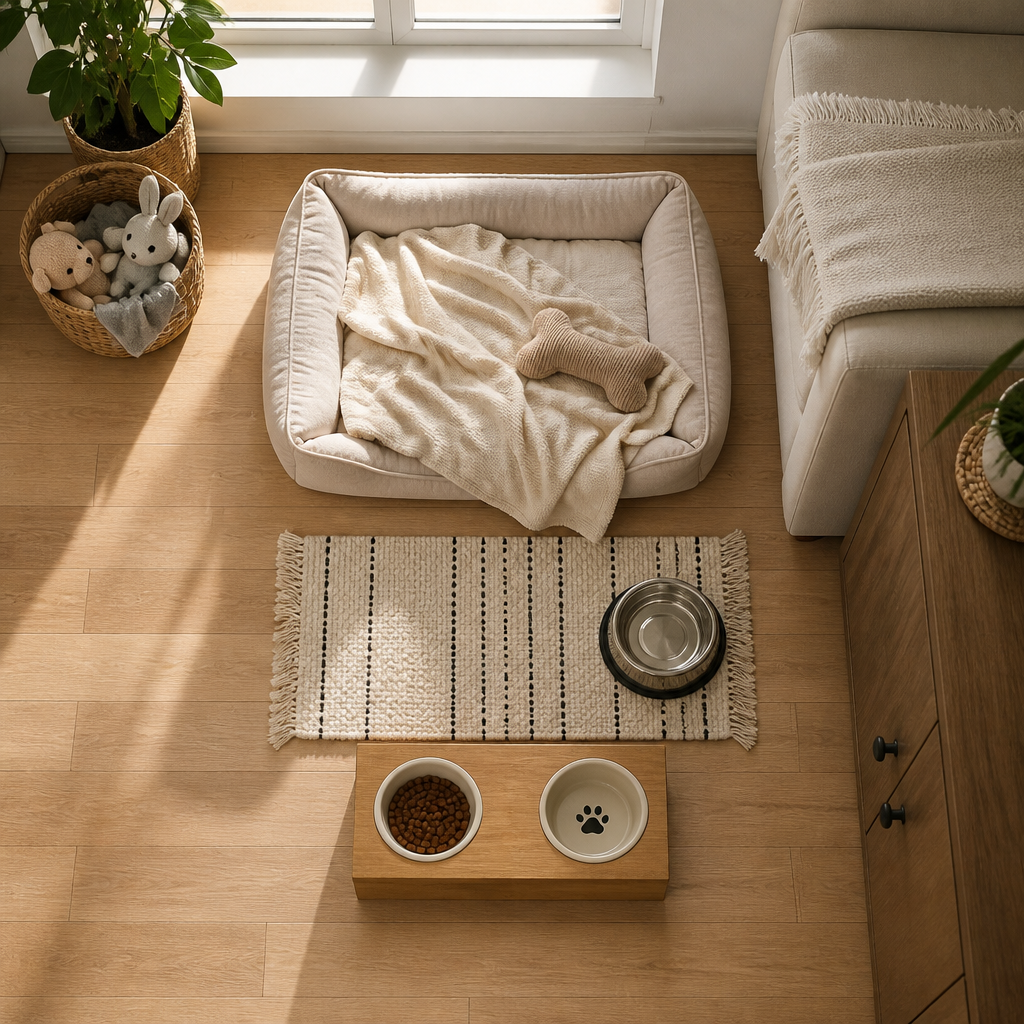
Most people who are adopting a pet in Australia spend weeks choosing the right animal and about twenty minutes thinking through what happens when they actually get home. That first week is where adoptions quietly succeed or start unravelling. A dog that seemed relaxed at the rescue centre shuts down completely. A cat disappears under the bed for four days. A new owner interprets normal decompression behaviour as a sign something is wrong and starts second-guessing the whole decision. This guide is for the people who want to get that first week right. Whether you found your new companion through a shelter, a breeder, or a rehoming listing on MateLoop, the settling-in principles are the same.
Table of Contents
- Quick Takeaways
- The 3-3-3 Rule: What It Actually Means
- Before They Arrive: Home Preparation That Matters
- The First 24 Hours: What to Do and What to Resist
- Dogs vs. Cats: Where the Settling-In Process Diverges
- The First Vet Visit: Why This Week Matters
- The Most Common Mistakes New Adopters Make
- Settling-In Approaches: What Works and What Doesn't
- Frequently Asked Questions
- References
Quick Takeaways
| Key Insight | Explanation |
|---|---|
| Decompression is not depression | A newly adopted pet hiding, not eating, or withdrawing is normal behaviour during the first few days. It is the animal processing a completely unfamiliar environment, not a sign of illness or a bad match. |
| Routine is the fastest trust-builder | Predictable feeding times, sleep locations, and daily rhythms help your pet understand what to expect. Routine removes the anxiety of constant uncertainty. |
| Vet visit within the first week | A health check early on establishes a baseline, catches anything the shelter may have missed, and gives you a chance to ask questions before problems escalate. |
| Limit visitors in the first few days | Friends and family wanting to meet the new pet is understandable. But overwhelming a settling animal with strangers sets back the trust-building process by days. |
| Do not force contact | Letting your pet approach you on their own terms accelerates bonding far faster than picking them up, cornering them, or forcing cuddles before they are ready. |
| Keep introductions to other pets gradual | Wait at least three to five days before introducing a new pet to resident animals. Start through a closed door so scent can do the work before any face-to-face encounter. |
| Australia has specific hazards to address | Paralysis ticks along the east coast, snake activity in warmer months, and local plant toxins are risks that need a vet conversation specific to your region. |
The single biggest predictor of a smooth first week is the mindset you walk in with. If you expect your new pet to be grateful, relaxed, and immediately affectionate, you will likely misread every normal stress behaviour as a problem. If you walk in knowing that adjustment takes time, you will respond to those same behaviours with calm and patience rather than anxiety.
Dogs vs. Cats: Where the Settling-In Process Diverges
The broad principles of decompression apply to both dogs and cats, but the practical approach differs enough that they need to be addressed separately. Handling a newly adopted cat the way you'd handle a dog is one of the most common settling-in mistakes made in Australia.
Newly Adopted Dogs
Dogs are social animals and will generally begin to orient toward their new owner more quickly than cats. However, that social drive also means they pick up on your anxiety, excitement, or tension immediately. Your own calm has a direct effect on theirs.
Established Australian rescue organisations advise against walking your newly adopted dog outside the immediate property for at least the first week, and longer for fearful or timid dogs. A disoriented dog on an unfamiliar street can bolt, and a dog that has not yet bonded with you has little reason to come back when called. Keep early outdoor time to a secure yard.
Establish toilet boundaries and sleeping arrangements on day one. The habit of sleeping on the bed is very easy to create and very hard to undo. If your plan is for the dog to sleep in their own bed, start that way from night one.
Newly Adopted Cats
Cats take longer to show trust and need to control the pace of every interaction. Hiding for days is completely normal and does not mean the cat is unhappy or the adoption has failed. RSPCA Queensland notes that shy cats will frequently spend days hiding when first introduced to a new environment, and in most cases they will come out in their own time when left to do so.
Provide multiple high resting places from day one. Cats manage stress by accessing elevated positions, and a home without vertical options is a stressful home for a cat. Tall cat trees, shelves, or even secure storage on top of wardrobes all count. Provide hiding spots in every room the cat will access, not just their initial safe room.
Do not change their food abruptly in the first week. Stick to whatever diet the shelter or previous owner was feeding and transition gradually over one to two weeks to avoid digestive upset on top of environmental stress.
Pro tip: For cats, a pheromone diffuser (such as a Feliway-type product, available from pet supply stores or your vet) placed in the safe room before arrival can help take the edge off the first few days. It won't work miracles, but it is a practical tool that costs little and has a good track record for anxious cats.
The First Vet Visit: Why This Week Matters
Booking a vet appointment within the first week of adoption is not cautious overthinking, it is basic responsible ownership. This applies whether you adopted through a shelter that provided initial health checks or through a private rehoming arrangement found on a platform like MateLoop's pet listings.
The first vet visit does several things at once. It establishes a baseline health record for your pet with a local practice. It gives you an opportunity to ask questions that feel too minor to call about later. It identifies any conditions the previous carer may not have known about or may not have disclosed. And it lets you get location-specific advice about parasite prevention and local environmental hazards.
Australia-Specific Health Considerations
Australia's climate and wildlife create risks that adopters in other countries don't face in the same way. Paralysis ticks are a serious and potentially fatal danger along the east coast of Australia, and preventative treatment is not something to delay. Snake bite risk in suburban and regional areas during warmer months is real for dogs that spend time outdoors. Talk to your vet about which prevention measures apply specifically to your location.
If your adopted pet arrived without a full vaccination history, your vet can help you work out what is current and what needs to catch up. Most shelters vaccinate before adoption, but private rehomings are less consistent on this point. Bring whatever paperwork you received with the animal.
Pet Insurance: Set It Up Early
Emergency veterinary bills in Australia can be significant. Pet insurance is worth researching and setting up as early as possible, because policies have waiting periods and pre-existing conditions identified before the policy starts may not be covered. Getting cover in place in the first week means you are not making treatment decisions based on cost if something unexpected happens in month two or three.
The Most Common Mistakes New Adopters Make
These are the patterns that come up repeatedly with new adopters, regardless of species or where they sourced their pet. They are worth naming directly because most of them feel like the right thing to do at the time.
Overwhelming with affection too early. The desire to reassure a scared animal with physical contact is completely understandable, but a pet that is not yet trusting you will experience that contact as a threat, not a comfort. Wait for them to initiate.
Flooding the house with visitors in the first week. Everyone wants to meet the new dog or cat. The answer during the first week is a firm, temporary no. Even well-meaning guests who are quiet and gentle add to the sensory load of an already overwhelmed animal.
Changing the diet immediately. Stick with whatever the shelter or previous owner was feeding, at least for the first one to two weeks. Combine a new environment with a new diet and you will almost certainly deal with digestive problems on top of behavioural stress.
Interpreting normal stress behaviour as a permanent personality trait. A dog that cowers in week one may be exuberant and confident by week six. A cat that hides for the first four days may become the most affectionate animal in the house once it trusts its environment. Give the animal time before drawing any conclusions about who they really are.
Settling-In Approaches: What Works and What Doesn't
| Approach | What It Involves | Verdict |
|---|---|---|
| Guided Decompression (3-3-3 Framework) | Giving the pet a defined safe space, keeping the first 72 hours calm and low-stimulus, and expanding access and interactions gradually over weeks and months. | Works well. Matches the animal's actual stress-response timeline and sets up better long-term behaviour. Used as a guide by many Australian rescue organisations. |
| Full Immersion ("throw them in the deep end") | Allowing full house access from day one, introducing to all family members and pets immediately, resuming normal household activity without adjustment. | Often fails, particularly with adult rescues and shy animals. Creates prolonged anxiety and can entrench fearful or destructive behaviours that take months to undo. |
| Passive Waiting ("let them sort it out themselves") | Providing food and water but otherwise leaving the pet completely alone with no structured routine, minimal interaction, and no vet appointment. | Misses the opportunity to build trust through positive, low-pressure contact. Can leave an animal isolated rather than simply given space. Health issues go undetected. |
The guided decompression approach outperforms the others consistently because it balances the animal's need for quiet space with the owner's active, calm presence. Doing nothing is not the same as giving a pet space, and full immersion mistakes the animal's tolerance for genuine comfort.
Frequently Asked Questions
How long does it take for an adopted dog to settle in Australia?
Most adopted dogs begin to show genuine comfort and trust within three to six weeks, though full adjustment often takes up to three months. The first week is the most intense phase of decompression, and progress from there depends heavily on consistency, routine, and the individual animal's background. Adult rescues with difficult histories may take longer than puppies or dogs from stable environments.
My newly adopted cat hasn't eaten in two days. Should I be worried?
A cat refusing food for the first 24 to 48 hours in a new home is common and generally not a cause for immediate concern. Stress suppresses appetite. Offer small amounts of the same food they were eating at the shelter, placed close to wherever they are hiding. If the cat has not eaten at all after 48 to 72 hours, or shows other signs of illness such as lethargy, vomiting, or breathing changes, contact your vet. Cats can develop a serious liver condition from prolonged food refusal, so extended non-eating should be taken seriously.
Is it normal for an adopted dog to regress after the first week?
Yes, this is very common and catches many new adopters off guard. The first few days can look deceptively smooth because a stressed dog is often shut down and compliant. As the dog begins to feel safer, they start testing boundaries and expressing behaviours they suppressed initially. This is not a regression, it is progress. A dog that has relaxed enough to test you is a dog that has begun to trust its environment. Respond with consistent, calm reinforcement of your house rules.
When can I introduce my new pet to my existing dog or cat?
Wait at least three to five days before any introduction to resident animals, and begin through a barrier such as a closed door or a baby gate. Allow both animals to smell each other before any visual contact. Keep initial face-to-face meetings brief, supervised, and neutral in tone. Rushing introductions is one of the most common reasons adoption periods become stressful for the whole household. If there is persistent tension, seek advice from a qualified animal behaviourist before the situation escalates.
What supplies do I actually need before bringing an adopted pet home?
For a dog: a collar with an ID tag, a well-fitted lead, a crate or bed in a defined quiet space, food and water bowls, and the same food they were eating at the shelter. For a cat: a litter tray set up in the safe room before arrival, food and water bowls, at least one hiding spot, and a scratching surface. For both: a vet appointment booked within the first week. You can source pet supplies, food, and enrichment items through MateLoop's pet supplies section alongside the adoption listing process, so everything arrives before your pet does.
Do I need to walk my newly adopted dog immediately?
Not in the first few days, and many rescue organisations advise waiting a full week before taking a newly adopted dog on walks outside the property. A disoriented dog in an unfamiliar neighbourhood can bolt, and a dog that has not yet bonded with you may not respond to recall. Keep early exercise to a secure yard. Short, calm sessions of outdoor sniffing time in a contained space are more beneficial in week one than a structured walk on the footpath.
What was your biggest challenge during the first week with your adopted pet? Share your experience below and help other Australians navigate this stage with more confidence.
References
- Dog Rescue Hub guide to settling in a newly adopted rescue dog
- RSPCA WA adoption process and first-weeks adjustment guide
- RSPCA Queensland tips for settling in shy and newly adopted cats
- Australian new dog owner care checklist including vet and health advice
- Pittwater Animal Hospital guide to settling a newly adopted cat at home
General pet care information for Australia. Always follow your veterinarian’s advice for your individual pet.