
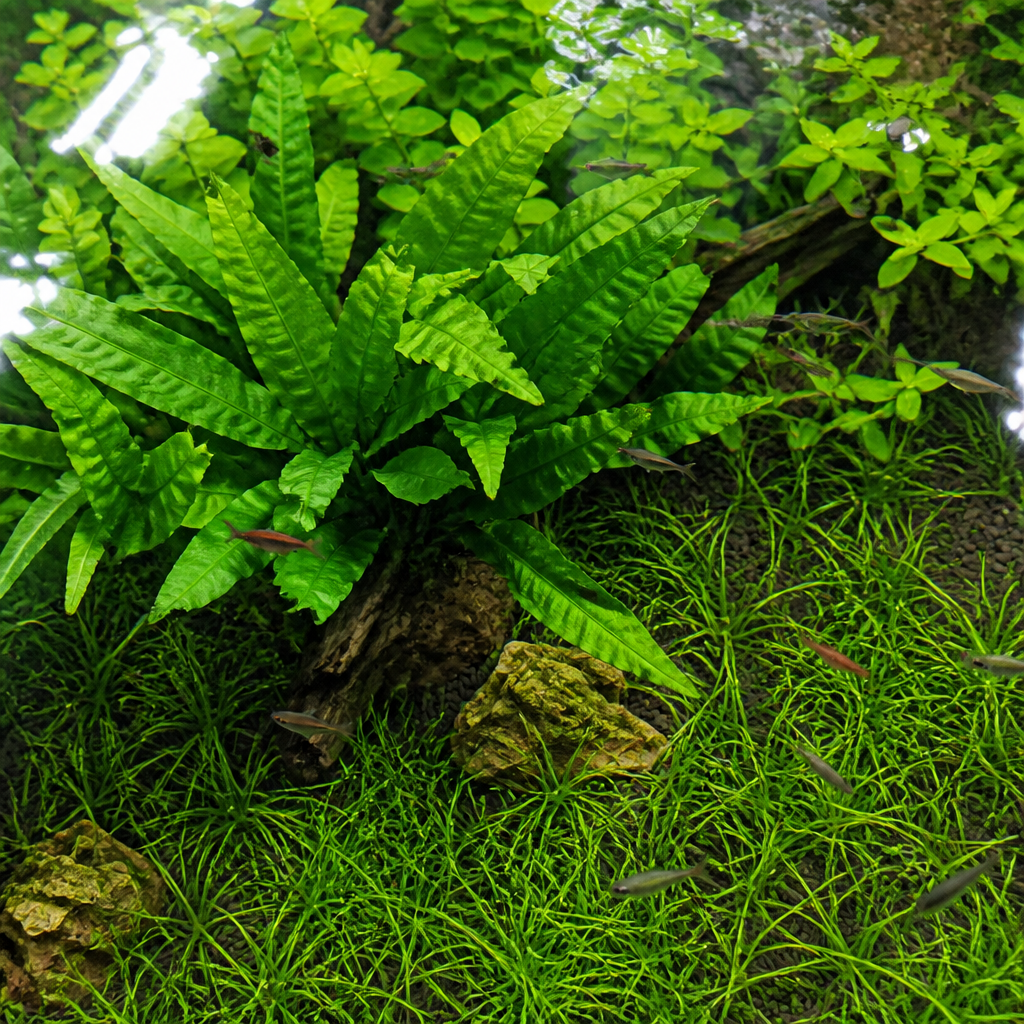
Most Australian aquarium keepers make the same mistake when they start out: they fill their tank with plastic plants, watch algae take over within weeks, and then wonder why their fish look stressed. The fix is almost always the same. Live aquarium plants Australia-wide hobbyists swear by do more than look good - they actively filter the water, outcompete algae for nutrients, and give fish a genuinely natural environment to thrive in. This guide covers the best species to grow in an Australian home aquarium, what each one actually needs, and how to set yourself up for a low-maintenance planted tank from day one.
Table of Contents
- Why Live Plants Matter in a Home Aquarium
- Best Aquarium Plants for Beginners in Australia
- Intermediate Plants Worth the Upgrade
- Plant Comparison by Difficulty and Setup Requirements
- Lighting, Substrate, and Fertiliser: What You Actually Need
- Common Mistakes in a Planted Tank
- Frequently Asked Questions
- References
Why Live Plants Matter in a Home Aquarium
A planted tank is not just a prettier version of a bare tank. The biology inside it works differently. Live plants compete directly with algae for the same dissolved nutrients - nitrates, phosphates, and carbon dioxide - which means a well-planted tank naturally suppresses algae without chemical treatments. That is not a small benefit. It is the single most effective long-term algae control strategy available to home aquarists.
Beyond algae control, plants improve water quality by absorbing ammonia and nitrite as part of their nitrogen intake, stabilise pH through photosynthesis during daylight hours, and provide shelter for fish and fry. Fish that have places to hide are less stressed, more active during daylight, and display better colouration. The difference is visible within weeks of adding plants to a previously bare setup.
"Live plants enhance the appearance and provide a much more natural environment for the fish. By improving water quality and reducing stress, live plants are a great way to improve your fishes' health." - LiveAquaria
For Australians sourcing live plants, the range available through dedicated aquatic plant suppliers and pet marketplaces like MateLoop has expanded significantly in recent years. You can now find everything from basic beginner species through to rare aquascaping varieties, often from local growers who understand Australian water chemistry.
Pro tip: When you first add live plants, expect a brief adjustment period of one to two weeks where leaves may yellow slightly or shed. This is normal transplant shock. Do not pull the plants out - wait, and new growth will come from the rhizome or crown.
Plant Comparison by Difficulty and Setup Requirements
The table below compares the most popular aquarium plants available in Australia across three key setup variables. Use it to match plants to your current equipment rather than buying plants that need gear you do not yet have.
| Plant | Difficulty Level | CO2 Required | Light Requirement | Best Placement |
|---|---|---|---|---|
| Java Fern | Easy | No | Low to moderate | Midground, attached to wood/rock |
| Anubias Nana | Easy | No | Low | Foreground/midground, attached to surface |
| Java Moss | Easy | No | Low to moderate | Any surface or floating |
| Amazon Sword | Easy | No | Moderate | Background, rooted in substrate |
| Hornwort | Easy | No | Low to moderate | Floating or loosely planted |
| Vallisneria | Easy | No | Moderate | Background, rooted in substrate |
| Water Wisteria | Easy-Intermediate | No (CO2 helps) | Moderate | Midground/background |
| Cryptocoryne Wendtii | Intermediate | No (CO2 helps) | Low to moderate | Midground, rooted in substrate |
| Dwarf Hairgrass | Intermediate | Recommended | Moderate to high | Foreground carpet |
Lighting, Substrate, and Fertiliser: What You Actually Need
The three pillars of a successful planted tank are lighting, substrate, and fertilisation. Get these right and most plants will grow with minimal ongoing effort. Get them wrong and even easy species will struggle.
Lighting
Most beginner plants will survive under standard LED aquarium lights, but "survive" and "thrive" are different outcomes. For a low-tech planted tank with Java Fern, Anubias, and Vallisneria, a basic full-spectrum LED running eight to ten hours per day is sufficient. For stem plants or carpet plants, you will need a higher-output LED or a dedicated planted tank light that provides the correct spectrum for photosynthesis.
A common mistake is running lights for too long to compensate for low intensity. This does not work - it just feeds algae. Eight to ten hours of quality light beats sixteen hours of weak light every time.
Substrate
For plants that feed primarily through their roots - Amazon Swords, Cryptocorynes, Vallisneria, Dwarf Hairgrass - substrate quality matters significantly. A nutrient-rich aquatic plant soil or an inert gravel topped with root tabs will both work. Plain coarse gravel alone will eventually starve heavy root feeders.
For plants like Java Fern and Anubias that attach to surfaces, substrate is irrelevant - they feed from the water column, not the ground. This makes them ideal for tanks with bare bottoms or purely decorative substrate.
Fertiliser
A quality liquid fertiliser dosed weekly covers most mid-water feeding plants adequately. Root tabs placed near heavy root feeders every two to three months handle the rest. You do not need an expensive or complex dosing regime for a low-tech planted tank - a simple all-in-one liquid fertiliser and a packet of root tabs covers the vast majority of Australian home aquarium setups.
CO2 injection is optional for beginners but makes a meaningful difference for intermediate plants. If you eventually add a CO2 system, aim for a concentration of around 20 to 30 ppm during the light period, and turn it off when the lights go off - plants cannot use CO2 in darkness.
Common Mistakes in a Planted Tank
In practice, the most common errors that kill aquarium plants in Australian home tanks come down to a handful of repeatable problems. Knowing them in advance saves months of frustration.
Burying Rhizome Plants
Burying the rhizome of Java Fern or Anubias is the single most frequent mistake beginners make. The rhizome needs to remain above the substrate to stay healthy. Buried rhizomes rot, and the plant dies within weeks. Attach these plants to driftwood, rock, or mesh instead.
Overcrowding Too Early
Adding too many demanding plants to a new tank before the substrate and lighting are dialled in leads to a tank full of slowly dying plants and an algae bloom fed by the excess nutrients from decomposing leaves. Start with a few easy species, establish stability, then add more complex plants gradually.
Ignoring Nutrient Deficiencies
Yellow leaves with green veins indicate an iron deficiency. Pale, washed-out new growth often signals a nitrogen or potassium shortage. Both are easy to fix with the right fertiliser, but neither will resolve on its own. Read your plants - they give clear signals about what they need.
Choosing Plants That Are Not True Aquatics
Many plants sold in Australian pet stores in aquarium displays are not actually fully aquatic species. Bamboo, peace lilies, and certain terrestrial mosses are sometimes sold as aquarium plants and will rot and die when fully submerged. Always verify that any plant you purchase is a true aquatic species before placing it in a sealed underwater environment.
If you are sourcing live plants through a marketplace like MateLoop, listings from specialist aquatic plant sellers will typically confirm the species name and whether the plant is grown emersed (partially above water) or submersed (fully underwater), which helps you set accurate expectations for adaptation time.
Frequently Asked Questions
What are the easiest aquarium plants to grow in Australia?
Java Fern, Anubias, Java Moss, Hornwort, and Vallisneria are consistently the easiest live aquarium plants to grow in Australian home tanks. All tolerate a wide range of water parameters, grow under low to moderate light, and do not require CO2 injection. They are a reliable starting point for any beginner aquarist.
Do I need CO2 injection for a planted tank?
No, CO2 injection is not required for a low-tech planted tank using beginner species. Plants like Java Fern, Anubias, and Vallisneria grow well without it. CO2 becomes beneficial when you move to faster-growing stem plants or carpet plants like Dwarf Hairgrass, where it noticeably improves growth rate and plant density. For most beginners, CO2 is something to consider after the basics are established, not on day one.
How do I stop algae in a planted aquarium?
The most effective long-term algae control in a planted tank is planting densely enough that your plants outcompete algae for dissolved nutrients. Combined with a consistent lighting schedule of eight to ten hours per day, regular water changes, and proper fertilisation, this approach reduces algae without chemical treatments. A fast-growing plant like Hornwort or Water Wisteria is particularly effective as a nutrient sponge in a new or heavily stocked tank.
Can I mix aquarium plants with fish that eat plants?
Yes, with the right species. Anubias and Java Fern have tough, fibrous leaves that most plant-eating fish, including cichlids and goldfish, avoid. Avoid soft-leaved plants like Amazon Swords or Water Wisteria in tanks with herbivorous fish - they will be eaten quickly. For tanks with plant-eaters, stick to hardy rhizome plants and Java Moss attached to hard surfaces.
Where can I buy live aquarium plants in Australia?
Live aquarium plants are available through specialist aquatic plant retailers, local fish stores, and online marketplaces. MateLoop connects Australian buyers with local sellers and breeders listing live plants, which is useful for finding specific species, rarer varieties, or plants grown in local water conditions. Buying from local growers reduces transport stress on the plants and means they are already adapted to similar Australian water chemistry.
How often should I fertilise aquarium plants?
For a low-tech planted tank, a weekly dose of all-in-one liquid fertiliser and root tabs placed near heavy root feeders every two to three months is typically sufficient. The exact amount depends on your plant load and tank size - start with the manufacturer's recommended dose and adjust based on plant response. Signs of over-fertilisation include sudden algae blooms; signs of under-fertilisation include yellowing or pale new growth.
Are floating aquarium plants useful or just decorative?
Floating plants are genuinely useful, not just decorative. Species like Hornwort (when left floating) absorb nutrients directly from the water column, reduce light penetration to lower algae growth on the tank floor, and provide surface cover that reduces fish stress. They are particularly effective in new tanks that are still cycling, or in breeding setups where fry need surface cover. The main drawback is that they can block light from reaching plants below, so manage surface coverage to around 30 to 50 percent of the water surface area.
Have you tried growing live plants in your home aquarium? Share which species worked best for you - or which ones gave you the most trouble - in the comments below.
References
- LiveAquaria guide on the benefits of live plants for aquariums and water quality
- Aquarium Store Depot: freshwater aquarium plants guide by difficulty level and CO2 requirements
- Aquarium Breeder: Dwarf Hairgrass care guide covering CO2, substrate, and growth parameters
- Aqualibs: best aquarium plants for beginners including Java Fern, Anubias, and Amazon Sword
- PetStock Australia: live aquarium plants range including beginner-friendly species for home tanks
General pet care information for Australia. Always follow your veterinarian’s advice for your individual pet.