
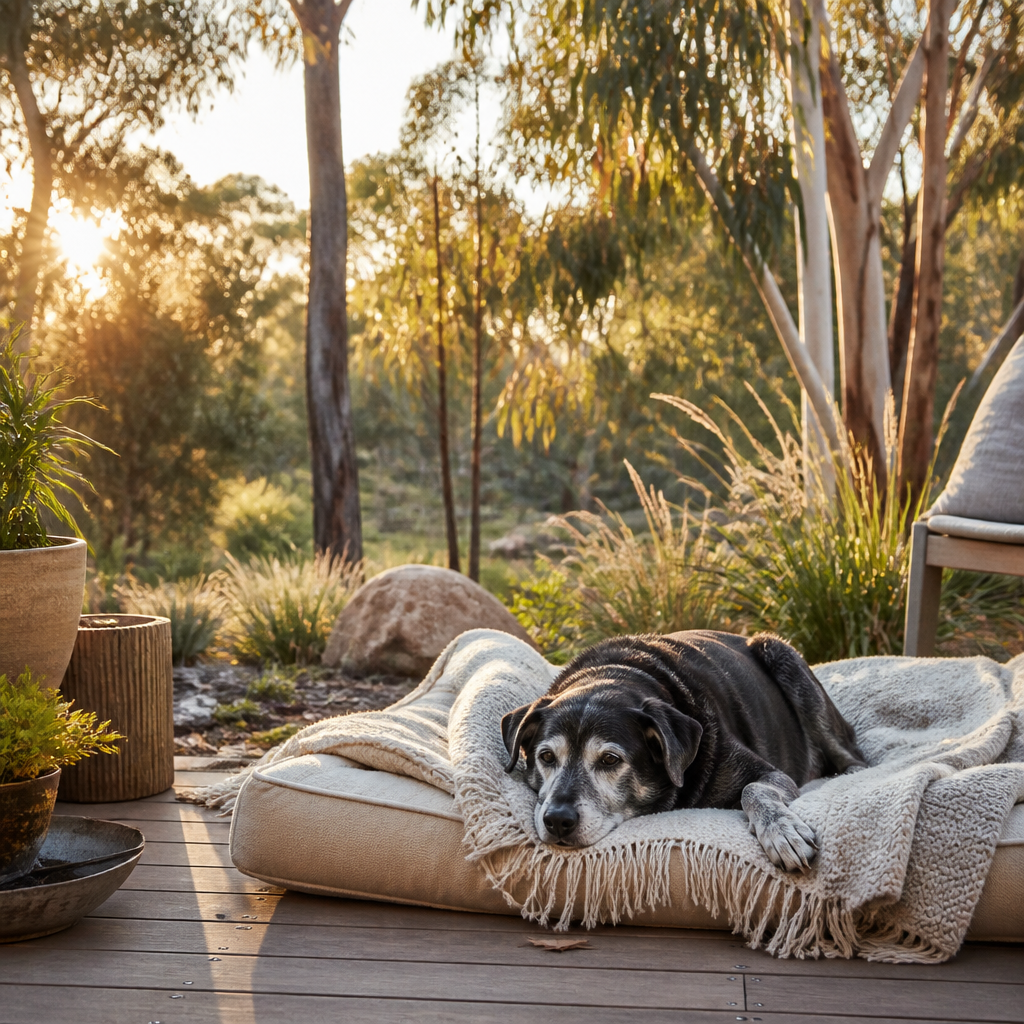
Senior dogs are the least-adopted animals in Australian shelters, and that is a problem worth talking about honestly. If you are considering whether to adopt a senior dog in Australia, you are already ahead of most prospective owners who scroll past the grey-muzzled faces without a second thought. Older dog adoption in Australia gets far less attention than puppy listings, yet the evidence from shelters, vets, and experienced owners consistently points in the same direction: a senior dog can be one of the most straightforward, emotionally rich, and genuinely rewarding pets you will ever share your home with. Here is what you actually need to know before you commit.
Table of Contents
- What Counts as a Senior Dog in Australia?
- Why Senior Dogs Get Overlooked (and Why That Logic is Flawed)
- The Real Benefits of Adopting an Older Dog
- Health Realities You Need to Know Before You Adopt
- Settling a Senior Dog Into Your Home
- Adoption Fees, Costs, and Programs in Australia
- Where to Find Senior Dogs for Adoption in Australia
- Frequently Asked Questions
- References
What Counts as a Senior Dog in Australia?
The threshold varies between organisations, but most Australian shelters and vets classify dogs as seniors from around seven years of age. Larger breeds often show signs of aging earlier, sometimes from five or six years old, while small and toy breeds can remain quite active well into their teens. RSPCA ACT, for example, places dogs aged eight years and over in a reduced-fee adoption band, which gives you a practical guide for how shelters define the category.
The label "senior" does not mean slow, sick, or unresponsive. Many seven- to ten-year-old dogs have the energy of a four-year-old and simply need a home that appreciates their settled nature. The classification matters primarily for health planning, not as a shorthand for what the dog can offer you.
Why Senior Dogs Get Overlooked (and Why That Logic is Flawed)
The most common objections to older dog adoption in Australia follow a predictable pattern: "I don't want to get attached and then lose them too soon," or "I'd rather train a dog from scratch," or "Older dogs probably have problems." Each of these concerns is understandable, but none of them hold up under scrutiny.
The "too short a time" concern is real, but context matters. A seven-year-old medium-breed dog realistically has five to eight more years ahead of it. That is not a brief stint. And the emotional depth you build with a dog that actively chooses to bond with you as an adult can be more intense, not less, than raising a puppy.
The training concern gets the logic backwards. Senior dogs from shelters have almost always already learned basic commands, house manners, and leash behaviour. You are not starting from scratch; you are inheriting years of work someone else already did.
When you adopt an older animal, especially one that has been assessed by a good animal welfare organisation, there are generally fewer surprises. They can be more predictable and a safer choice for families.
The "problems" objection is the most important one to address directly. Yes, some senior dogs come from difficult backgrounds. A good shelter will tell you exactly what those are. The difference between adopting a senior dog through a reputable organisation and buying a puppy from an unknown backyard breeder is that with the shelter dog, you actually know what you are getting.
The Real Benefits of Adopting an Older Dog
Skip the motivational language and look at what is practically different about bringing home a senior dog versus a puppy or young adult.
Predictable Personality and Size
A senior dog's temperament is established. You can meet the dog, spend time with it, and get a highly accurate read on whether it fits your household, your other pets, and your lifestyle. With a puppy, you are making an educated guess about what that animal will become. With a senior dog, what you see is very close to what you get. Size, coat type, energy level, and social preferences are all on display.
Lower Training Load
Older dogs that have lived in homes before typically know how to be dogs in a domestic environment. They are usually toilet-trained, understand basic commands, and have learned not to destroy furniture. The relentless supervision required for puppies, the midnight toilet trips, the chewing phases, and the hyperactivity are largely absent. This makes older dog adoption in Australia particularly practical for working adults, people with children who cannot supervise a chaotic puppy constantly, or anyone who values calm household routines.
Calm Companionship
Senior dogs settle. They are not demanding constant stimulation in the way a young dog is. They are content to rest near you, go for a moderate walk, and simply be present. For retirees, people managing anxiety or mental health challenges, or households with elderly family members, this quality is genuinely valuable rather than a compromise.
Saving a Life That Needs It Most
Older dogs are statistically the hardest animals for shelters to rehome. When you choose to adopt a senior dog in Australia, you are directly addressing a real gap in pet adoption outcomes. Senior dogs with health issues or behavioral histories that require experienced homes are the most at risk of remaining in shelters indefinitely or being euthanised. Your decision has a meaningful, direct impact.
Settling a Senior Dog Into Your Home
Senior dogs typically settle faster than puppies, but that does not mean the transition requires no attention. The first two to four weeks are the period that sets the tone for the rest of your relationship.
Create a Consistent Routine from Day One
Feed, walk, and toilet your new dog at consistent times each day. Senior dogs that have experienced upheaval, whether through a previous owner surrendering them, time in a shelter, or health stress, are calmer and more trusting when they can predict what happens next. Unpredictable schedules extend the anxiety period. A consistent routine shortens it.
Give Them a Safe Space
Set up a dedicated sleeping area before the dog arrives. An orthopedic or memory foam bed is worth the investment for a dog with any joint stiffness. Place it in a quiet corner away from household traffic. Senior dogs often self-regulate by retreating to rest when they need it, so having a clearly defined space they can call their own speeds up the settling-in process considerably.
Introduce Other Pets Gradually
Well-socialised older dogs generally integrate well with other animals, but do not assume it will be instant. Introduce pets through a barrier or on neutral ground first. Watch for stress signals in both animals and give them time to establish their own hierarchy without intervention unless necessary. Most senior dogs have figured out how to read other animals and manage themselves calmly, but the first week should be managed, not left to chance.
Watch for Quiet Signs of Stress
Puppies are loud about stress. Senior dogs are often quiet. Reduced appetite, excessive licking, hiding, or very restless nights in the first week or two are all normal. If these persist past three weeks, speak to your vet. Some dogs benefit from short-term support during the transition, and there is no reason to let a dog struggle silently when help is straightforward.
Adoption Fees, Costs, and Programs in Australia
Cost is a legitimate consideration and deserves a direct answer rather than a brush-off. Here is a realistic breakdown.
Adoption Fees for Senior Dogs
Senior dogs at Australian shelters are typically cheaper to adopt than younger dogs. RSPCA ACT lists senior dogs aged eight and over in Band A at $195, compared to $395 for dogs aged six months to eight years. Some programs go further. RSPCA NSW runs a Seniors for Seniors program offering Seniors Card holders a 50% discount on adoption fees for animals aged over eight years, bringing the fee down significantly. Some shelters also offer reduced or waived fees for senior dogs with ongoing medical needs, because their priority is finding these dogs a home rather than recovering full costs.
Ongoing Costs to Plan For
Monthly running costs for a senior dog in Australia will typically be higher in veterinary expenses than for a younger dog, but lower in food volume (senior dogs generally eat less) and often lower in training, grooming, and activity costs. Build in two vet visits per year as a baseline plus a buffer for unexpected health events. Pet insurance for senior dogs is available in Australia, but premiums are higher and some conditions may be excluded as pre-existing. Compare policies carefully and read the exclusions before signing.
| Adoption Path | Typical Upfront Cost | Key Considerations |
|---|---|---|
| RSPCA or Council Shelter (Senior Dog) | $0 to $250 approximately | Vet-checked, vaccinated, desexed, microchipped. Behavioural history available. Most transparent option. |
| Breed-Specific Rescue Group | $200 to $500 approximately | Deep breed knowledge, often foster-home based so temperament is well-known. Good for specific breed requirements. |
| Private Rehoming (via marketplace listing) | Variable, often low or free | Less oversight. Vet history may be incomplete. Ask for records. Suits adopters comfortable doing their own due diligence. |
Where to Find Senior Dogs for Adoption in Australia
Finding a senior dog available for pet adoption in Australia is easier than many people assume, because the supply of older dogs waiting for homes is, unfortunately, substantial.
Shelters and Rescue Organisations
The RSPCA operates across all Australian states and territories and consistently has senior dogs available. Each state branch has its own adoption listings and programs. Breed-specific rescues are particularly strong sources for senior dogs of specific breeds, as these organisations often have detailed health and temperament histories from foster placements.
Online Pet Marketplaces
Platforms like MateLoop list dogs available for adoption and rehoming from private owners, rescues, and shelters across Australia. Searching for older dogs on a dedicated Australian pet marketplace lets you filter by location, breed, and age, which is far more efficient than contacting shelters one by one. MateLoop's listings include dogs needing rehoming from owners who can no longer care for them, which is a significant source of well-loved senior dogs with known histories.
Council Pounds
Local government pounds often have senior dogs that arrived as strays or surrenders. Adoption fees at council pounds are typically the lowest available, but behavioural history may be limited. These dogs can be excellent pets with a patient, attentive adopter.
Pro tip: Set up a saved search alert on MateLoop for senior dog listings in your state. Many older dogs are rehomed quickly once listed because they go to the first serious inquiry. Being notified early gives you the best chance of connecting with the right dog before someone else does.
Frequently Asked Questions
At what age is a dog considered a senior in Australia?
Most Australian shelters and vets define senior dogs as those aged seven years and above, though larger breeds may be classified as seniors from around five to six years. Smaller breeds often remain active and healthy into their mid-teens. The classification is a health planning guide, not a rigid cutoff for adoption eligibility or the dog's quality of life.
Is it harder to bond with an older dog than a puppy?
No. Senior dogs bond deeply with new owners and often do so more quickly than puppies because they are not distracted by the chaotic energy of youth. Many owners report that a senior dog's gratitude and calm attachment feels more deliberate and meaningful than the indiscriminate enthusiasm of a puppy. Bonding is about time, consistency, and trust, all of which a senior dog is fully capable of.
What health checks should I do when I adopt a senior dog?
Book a full veterinary check within the first two weeks of bringing your senior dog home, even if the shelter provided one. Ask for blood work to establish a baseline for kidney function, liver enzymes, and blood cell counts. Check the teeth and ask about dental care history. Assess the joints and mobility. This baseline appointment is valuable not just for identifying current issues but for detecting changes at future visits.
Can a senior dog live with young children?
Many senior dogs are calm, patient, and excellent with children, but it depends on the individual dog's history and temperament, not their age alone. A well-socialised older dog that has lived with children before is often a safer household option than an unpredictable young dog. Always ask the shelter about the dog's specific history with children and supervise initial introductions closely regardless of the dog's age.
Are there special programs to help with the cost of adopting a senior dog in Australia?
Yes. RSPCA NSW runs a Seniors for Seniors program that offers a 50% discount on adoption fees for dogs or cats aged over eight years for eligible Seniors Card holders. RSPCA ACT places senior dogs in a lower adoption fee band. Some breed-specific rescues also waive fees entirely for senior dogs with health conditions. It is always worth asking the organisation directly about any current promotions or fee-reduction programs before you assume you know the cost.
How long do senior dogs typically live after adoption?
Life expectancy after adoption depends heavily on the breed, size, and the dog's current health status. A seven-year-old medium-breed dog in good health can realistically live another five to eight years. Smaller breeds often live into their late teens. Rather than fixating on the endpoint, most experienced senior dog adopters find that focusing on quality of life, regular vet care, appropriate nutrition, and gentle exercise makes the time meaningful regardless of its length.
Have you adopted a senior dog in Australia, or are you currently considering it? Share your experience or questions in the comments below - your insight could be exactly what another prospective adopter needs to hear before making their decision.
References
- RSPCA Australia: The benefits of adopting an older pet
- RSPCA NSW Seniors for Seniors program: discounted adoption fees for senior pets
- RSPCA ACT adoption process and fee structure for senior dogs
- Greencross Vets Australia: caring for and health tips for senior dogs
- Four Paws Australia: why adopting a senior pet makes sense
General pet care information for Australia. Always follow your veterinarian’s advice for your individual pet.